Blog

Do Homeopathic Medicines Have Side Effects? Understanding Hahnemann’s Organon of Medicine

Introduction:

One of the most common questions patients ask before starting treatment is: Do homeopathic medicines have side effects?

Homeopathy is based on the principles described by Dr. Samuel Hahnemann in his foundational text, Organon of Medicine. Within this system, Hahnemann described several types of medicinal reactions, including homeopathic aggravation, accessory symptoms, and the effects of excessive dosing.

In this article, we will explore what Hahnemann wrote about medicinal reactions and what patients should know about the safety of homeopathic medicines.

1. What Did Dr. Samuel Hahnemann Say About Medicinal Reactions?

Dr. Samuel Hahnemann, the founder of homeopathy, developed a system of treatment based on the principle of similia similibus curentur, commonly translated as “like cures like.”

According to this principle, a substance capable of producing certain symptoms in a healthy person may be selected to treat a sick person presenting with a similar pattern of symptoms.

In the Organon of Medicine, Hahnemann discussed the actions of medicines, the possibility of new symptoms appearing during treatment, and the importance of selecting an appropriate remedy and administering it carefully.

Three concepts are particularly relevant to understanding his approach:

  • Primary action and secondary action.
  • Homeopathic aggravation and accessory symptoms.
  • The minimum dose and the risks of excessive dosing.

These concepts belong to the theoretical framework of classical homeopathy.

2. What Is Homeopathic Aggravation? (Aphorisms 157–161)

Homeopathic aggravation refers to a temporary increase in existing symptoms that, according to classical homeopathic theory, may occur after administering a well-selected remedy.

In Aphorisms 157–161 of the Organon of Medicine, Hahnemann discusses the possibility of an initial aggravation and its interpretation within homeopathic treatment. if this aggravation is in the bearable limits considered as the good sign towards recovery.

How Is Aggravation Explained in Classical Homeopathy?

According to Hahnemann’s theory, a medicinal substance produces an artificial disease-like effect. When this effect is sufficiently similar to the patient’s existing illness, it is expected to overcome the natural disease through the action of the organism’s vital force.

Within this framework, a slight and temporary increase in existing symptoms may be interpreted as a homeopathic aggravation.

For example, a patient receiving treatment for a skin complaint might report that itching has temporarily increased.

However, a worsening of symptoms should not always be considered a positive sign of treatment. Symptom aggravation can also indicate progression of an illness.

What Should Patients Do If Symptoms Worsen?

If your symptoms become more severe after taking any medicine:

  • Inform your treating healthcare professional.
  • Do not assume that the worsening is necessary for recovery.
  • Seek prompt medical evaluation if symptoms are severe, persistent, or unusual.
  • Obtain emergency medical care for serious symptoms such as difficulty breathing, swelling of the face or throat, or loss of consciousness.

Patient safety should always take priority.

3. What Are Accessory Symptoms in Homeopathy? (Aphorisms 156, 162–164)

In classical homeopathic literature, accessory symptoms refer to additional symptoms that may arise during treatment but are not part of the patient’s original complaint.

Hahnemann discussed the appearance of new symptoms when a remedy does not closely correspond to the patient’s complete symptom picture.

Within homeopathic theory, these additional symptoms may be attributed to the medicinal effects of the selected substance.

For example, a patient being treated for a longstanding complaint might notice a new headache or digestive discomfort after starting a medicine.

Are Accessory Symptoms the Same as Side Effects?

Not exactly.

The term accessory symptoms comes from classical homeopathic theory. In modern medicine, an adverse drug reaction is an unwanted or harmful response associated with the use of a medicinal product.

The distinction is important because the terminology used to describe a reaction does not establish its cause or determine whether it is harmless.

Any new or unexplained symptom that develops after starting a medicine deserves appropriate assessment, especially if it is severe or persistent.

4. What Are Primary Action and Secondary Action? (Organon of Medicine)

Hahnemann described primary and secondary action as part of his explanation of how medicines affect the organism.

Primary Action

In the Organon of Medicine, primary action refers to the initial effect of a medicinal substance on the organism.

Hahnemann proposed that this effect results from the action of the medicinal substance itself.

According to him, a medicine produces an initial change, which the organism subsequently responds to.

Secondary Action

Secondary action refers to the organism’s subsequent response following the primary action.

Hahnemann associated this response with the body’s counteraction, which he described in terms of the vital force.

5. What Is the Minimum Dose in Homeopathy? (Aphorisms 275–279)

The minimum dose is one of the central principles of classical homeopathy.

Hahnemann discussed the importance of administering a medicinal substance in a quantity that would produce the intended therapeutic effect without causing unnecessary medicinal effects.

In Aphorisms 275–279, he addresses the relationship between the quantity of medicine administered, its effects, and the possibility of harm from excessive dosing.

Why Did Hahnemann Emphasize Small Doses?

Hahnemann believed that the dose should be sufficiently small to minimize unnecessary medicinal effects while allowing the remedy to act according to homeopathic principles.

He also argued that the appropriate dose depends on factors such as the nature of the illness, the medicine selected, and the sensitivity of the patient.

These ideas contributed to the development of homeopathic dilution and potentization practices.

Conclusion

Classical homeopathy, as set out in Hahnemann’s Organon of Medicine, does recognise that a patient can have reactions after a remedy: a temporary aggravation, accessory (new) symptoms, and problems from excessive dosing. Hahnemann explained these in terms of his own theory (primary and secondary action, the vital force) and answered them with the minimum-dose principle. These terms are not the same as “side effects” or adverse drug reactions in modern medicine, and calling a reaction an “aggravation” does not make it harmless or show that the treatment is working.

A mild, short-lived aggravation may be considered acceptable in homeopathic theory. But any worsening or new symptom after starting a medicine should be reported to the treating doctor and assessed. Severe, persistent or unusual symptoms, and any emergency signs such as breathing difficulty, facial or throat swelling or loss of consciousness, need urgent medical care.

Frequently Asked Questions

1. Why have my symptoms increased after taking homeopathic medicine?

A temporary increase in existing symptoms is described as homeopathic aggravation in Hahnemann’s Organon of Medicine (Aphorisms 157–161). However, worsening symptoms may also indicate that an illness is progressing or that another problem has developed. Do not automatically consider the worsening a sign of recovery; consult your doctor if symptoms persist or become more severe.

2. I have developed new symptoms after taking homeopathic medicine. Is this a side effect?

New symptoms after starting a medicine may be related to the medicine, the underlying illness, or another cause. Hahnemann discusses accessory symptoms in Aphorism 156 and Aphorisms 162–164. Inform your healthcare professional, especially if the symptoms are persistent, unusual, or worsening.

3. Can homeopathic medicines cause harm if I take a higher dose than prescribed?

Yes, taking more than the recommended amount may create risks, depending on the product’s ingredients and concentration. Hahnemann also warned about excessive dosing in Aphorisms 275–276. Follow the product instructions and your healthcare professional’s advice, and seek medical guidance if you have taken more than directed.

4. Should I continue taking homeopathic medicine if my illness gets worse after starting treatment?

Do not assume that worsening symptoms mean the medicine is working. Although Hahnemann described mild aggravation within classical homeopathic theory, worsening may also indicate disease progression or another medical problem. Contact your healthcare professional for advice. Seek urgent medical care for severe symptoms, including breathing difficulty or swelling of the face or throat.

5. Are homeopathic medicines safe for me if I am taking other medicines for a chronic illness?

The safety of combining medicines depends on their ingredients, dosage, your health condition, and the other treatments you use. Hahnemann’s minimum-dose principle does not guarantee that every homeopathic product is free from adverse effects or interactions. Tell your healthcare professional about all the medicines you take, and do not stop prescribed treatment without medical advice.
Please log in to comment.

Video

Side effects of Homeopathic Medicines

Homeopathic medicines ke serious side effects common nahi maane jaate, lekin inhe completely side-effect-free kehna bhi sahi nahi hoga.

Kai log homeopathic medicines ko risk-free samajhkar bina doctor ki salah ke khud hi lena shuru kar dete hain. Aisa karna nuksandeh ho sakta hai, kyunki isse bimari ki seriousness samajhne, sahi diagnosis karne aur zaroori treatment lene mein deri ho sakti hai.

Isiliye, homeopathic medicine bhi qualified healthcare professional ki salah se hi lein. Ek qualified homeopathic doctor aapki condition, medical history aur possible risks ko assess karke treatment ke baare mein guidance de sakta hai.

**Yaad rakhein: sahi medical guidance ka maqsad sirf uchit treatment chunna hi nahi, balki treatment se jude risks ko bhi kam karna hai.**

Please log in to comment.

Video

Factors on which duration of disease depends.

How long does a disease lasts.

Please log in to comment.

Video

Food poisoning.

Duration of diseases may vary individual to individual and the severity of disease.

Narendra Singh
Ohh acha

Please log in to comment.

Video

Clinic tour

Comfortable space to start a healing journey.

Narendra Singh
Nice clinic
Nirdesh Singh
So peaceful clinic..

Please log in to comment.

Blog

Understanding Premature Ejaculation: Causes, Risks, and Solutions

Premature ejaculation (PE) is one of the most common sexual issues faced by men worldwide. It is defined as the inability to delay ejaculation during sexual intercourse, often leading to distress and dissatisfaction for both partners. Understanding the underlying causes and risks associated with PE is crucial for effective management. In this article, we will delve into the complexities of premature ejaculation and explore viable solutions to help individuals regain control over their sexual experiences.

Understanding the Causes and Risks of Premature Ejaculation

PE can stem from a variety of factors, both psychological and physiological. Psychologically, anxiety, stress, and performance pressure can create a cycle where fear of premature ejaculation leads to the very outcome one seeks to avoid. Additionally, past traumatic sexual experiences or relationship issues can exacerbate these feelings, reinforcing negative patterns. Understanding these emotional triggers is a vital first step in addressing the condition.

On the physiological side, several medical factors can contribute to premature ejaculation. Hormonal imbalances, particularly involving testosterone, may influence sexual function. Neurotransmitter levels play a significant role as well; an imbalance in serotonin, for instance, can lead to quicker ejaculation. Moreover, certain medical conditions, such as thyroid disorders or prostatitis, can also trigger or worsen PE, making it essential for individuals to consult healthcare providers for a comprehensive assessment.

The risks associated with PE extend beyond mere physical discomfort; they can impact relationships and psychological well-being. Men may experience decreased self-esteem, feelings of inadequacy, or avoidance of sexual intimacy altogether, which can lead to strained relationships. Partners may also feel unfulfilled or frustrated, creating a rift that can be challenging to bridge. Acknowledging these risks highlights the importance of seeking solutions and support for managing premature ejaculation.

Effective Solutions for Mastering Premature Ejaculation

Fortunately, there are several effective strategies for managing and overcoming premature ejaculation. One widely recommended approach is behavioral therapy, which includes techniques such as the “stop-start” method and the “squeeze” technique. These methods involve training the body to delay ejaculation through controlled practices during sexual activity. By gradually increasing exposure to sexual situations while using these techniques, individuals can develop better control over their responses.

Medical treatments are also available for those who find behavioral methods insufficient. Topical anesthetics, such as lidocaine or benzocaine, can help reduce sensitivity and prolong intercourse. In some cases, oral medications like selective serotonin reuptake inhibitors (SSRIs) may be prescribed to increase the time it takes to ejaculate. Consulting a healthcare professional will allow individuals to explore the most suitable options tailored to their specific needs.

Additionally, lifestyle changes can play a significant role in managing premature ejaculation. Regular exercise, a balanced diet, and stress-reducing activities like meditation or yoga can improve overall mental and physical health, which, in turn, can positively affect sexual function. Open communication with partners about desires and concerns can also foster a supportive environment that enhances intimacy and reduces anxiety surrounding sexual performance.

Mastering premature ejaculation is a multifaceted process that involves understanding its underlying causes, recognizing the associated risks, and exploring effective solutions. Whether through behavioral techniques, medical interventions, or lifestyle adjustments, individuals can take proactive steps to improve their sexual experiences and relationships. By addressing this common issue with knowledge and support, men can navigate the path to greater sexual satisfaction and confidence.

Need to consult a homeopathic doctor?  book your appointment here.

Please log in to comment.

Blog

Effective Homeopathic Remedies for Children's Dentition Issues

Children’s dental health is a crucial aspect of their overall well-being, and dentition issues can often lead to significant discomfort. From teething to misalignment, these challenges can be distressing not only for the child but also for the parents. Homeopathy offers a range of remedies that are gentle, natural, and effective in alleviating the discomfort associated with these dental challenges. This article aims to provide a comprehensive understanding of common dentition issues in children and explore the top homeopathic remedies available to alleviate their discomfort.

Understanding Common Dentition Issues in Children

Dentition issues in children can manifest in various forms, with teething being one of the most common. As babies develop their first set of teeth, they often experience pain, swelling, and irritability. Teething typically begins around six months of age and can last until the child is three years old. The discomfort can lead to disrupted sleep patterns and increased fussiness, making it essential for parents to seek effective solutions to ease their child’s suffering.

Another common issue is dental caries, or cavities, which can occur as children begin consuming sugary foods and drinks. Cavities can cause significant pain and discomfort, leading to difficulty in eating and sleeping. Early intervention is crucial to prevent further damage, and parents should maintain consistent oral hygiene practices. Regular dental check-ups can help identify issues before they escalate, allowing for timely treatment.

Lastly, misalignment of teeth, or malocclusion, can pose challenges as children grow older. This condition can lead to difficulties in chewing, speech problems, and aesthetic concerns. While orthodontic treatments are often pursued, homeopathic remedies can be beneficial in managing discomfort associated with these issues. By understanding these common dentition problems, parents can be better equipped to address their children’s dental needs effectively.

Top Homeopathic Remedies to Alleviate Dental Discomfort

One of the most widely used homeopathic remedies for teething discomfort is Chamomilla. This remedy is particularly effective for irritable children who are extremely sensitive to pain. The symptoms often include restlessness, crying, and a desire to be carried. Chamomilla not only alleviates pain but also helps soothe the child’s anxiety associated with teething. Administering this remedy can provide significant relief and promote a calmer environment during this challenging period.

Another beneficial remedy is Belladonna, which is recommended for children experiencing intense pain from swollen gums. Belladonna is especially effective when the discomfort is characterized by redness and heat in the affected area. If a child is suffering from fever accompanied by teething pain, Belladonna can help to reduce inflammation and provide comfort. This remedy is best used under the guidance of a qualified homeopath to ensure the correct dosage and application tailored to the child’s specific symptoms.

For children experiencing dental caries or gum inflammation, Calendula is an excellent choice. Calendula not only aids in healing but also possesses antiseptic properties that help to prevent infections. This remedy can be applied topically in the form of a mouthwash or diluted solution, providing local relief to sore gums and enhancing the healing process. Homeopathic remedies like Calendula allow parents to manage their children’s discomfort naturally, without the harsh side effects often associated with conventional treatments.

In conclusion, effective management of children’s dentition issues is vital for their overall health and well-being. Homeopathy offers a range of safe and natural remedies that can alleviate discomfort associated with teething, dental caries, and misalignment. Remedies such as Chamomilla, Belladonna, and Calendula not only provide relief but also promote a holistic approach to dental care. As always, it is essential for parents to consult with qualified homeopaths to determine the most appropriate remedies for their child’s specific needs. By addressing dental discomfort effectively, parents can help their children maintain healthy smiles and a positive experience with dental health.

Please log in to comment.

Blog

Understanding Spondylosis: A Comprehensive Guide

Introduction

Spondylosis is a term used to describe the age-related wear and tear of the spinal discs and joints. It is a degenerative condition that can affect the cervical (neck), thoracic (mid-back), and lumbar (lower back) regions of the spine. This blog will delve into the causes, clinical symptoms, risk factors, differential diagnosis, homeopathic approaches, diet, and exercise recommendations for managing spondylosis.

Causes of Spondylosis

  1. Aging: The primary cause of spondylosis is the natural aging process, leading to the degeneration of spinal discs and joints.
  2. Genetics: A family history of spinal disorders can increase the likelihood of developing spondylosis.
  3. Repetitive Stress: Jobs or activities that involve repetitive motion or heavy lifting can contribute to spinal wear and tear.
  4. Injury: Previous spinal injuries can accelerate the degenerative process.
  5. Lifestyle Factors: Poor posture, smoking, and obesity can also contribute to the development of spondylosis.

Clinical Symptoms of Spondylosis

  1. Pain: Chronic pain in the affected region (neck, mid-back, or lower back)
  2. Stiffness: Reduced flexibility and stiffness in the spine.
  3. Numbness and Tingling: Nerve compression can lead to numbness and tingling sensations in the extremities.
  4. Muscle Weakness: Weakness in the muscles served by the compressed nerves.
  5. Headaches: Cervical spondylosis can cause headaches that originate from the neck.

Risk Factors

  1. Age: Risk increases with age, particularly after 40.
  2. Occupation: Jobs involving repetitive motion, heavy lifting, or prolonged sitting.
  3. Genetics: Family history of spondylosis or other spinal conditions.
  4. Lifestyle: Sedentary lifestyle, smoking, and obesity.

Differential Diagnosis

  1. Herniated Disc: Differentiating based on imaging and clinical presentation.
  2. Spinal Stenosis: Narrowing of the spinal canal that can be confirmed via MRI or CT scans.
  3. Osteoarthritis: Can affect the spinal joints and needs to be distinguished through imaging studies.
  4. Rheumatoid Arthritis: An autoimmune condition that can mimic spondylosis but involves additional systemic symptoms.

Homeopathic Approaches

  1. Rhus Toxicodendron: Effective for stiffness and pain that improves with movement.
  2. Bryonia: Useful for pain aggravated by movement and relieved by rest.
  3. Hypericum: Indicated for nerve pain with tingling and numbness.
  4. Calcarea Fluorica: Helps in cases of spinal degeneration and calcification.

Diet for Spondylosis

  1. Anti-inflammatory Foods: Include omega-3 rich foods like salmon, flaxseeds, and walnuts.
  2. Calcium and Vitamin D: Essential for bone health; sources include dairy products, leafy greens, and fortified foods.
  3. Antioxidant-rich Foods: Berries, nuts, and green tea can help reduce inflammation.
  4. Hydration: Adequate water intake to maintain disc hydration and spinal health.

Exercise Recommendations

  1. Stretching: Regular stretching to maintain flexibility and reduce stiffness.
  2. Strengthening Exercises: Focus on core and back muscles to support the spine.
  3. Aerobic Exercise: Low-impact activities like walking, swimming, and cycling to improve overall fitness and spinal health.
  4. Posture Training: Exercises to improve posture and reduce strain on the spine.

Spondylosis is a common condition that can significantly impact quality of life. Understanding its causes, symptoms, and risk factors is essential for effective management. Homeopathic treatments, combined with a healthy diet and regular exercise, can offer relief and improve spinal health. Always consult with a healthcare professional before starting any new treatment or exercise regimen.

Book an appointment at Globule Clinics

Please log in to comment.

Blog

Understanding Renal Infections: A Comprehensive Homeopathic Approach

Renal infections, commonly referred to as kidney infections or pyelonephritis, are serious conditions that require prompt attention. This blog aims to provide an in-depth study of renal infections, covering causes, clinical symptoms, risk factors, complications, differential diagnosis, investigations, homeopathic approaches, management, diet, and exercise.

Causes

Renal infections are primarily caused by bacteria, with Escherichia coli (E. coli) being the most common culprit. Other bacteria like Proteus, Klebsiella, and Enterococcus can also cause kidney infections. The infection typically starts in the lower urinary tract and ascends to the kidneys.

Common Causes:

● Urinary tract infections (UTIs)
● Kidney stones
● Obstructions in the urinary tract
● Weak immune system
● Certain medical procedures involving the urinary tract

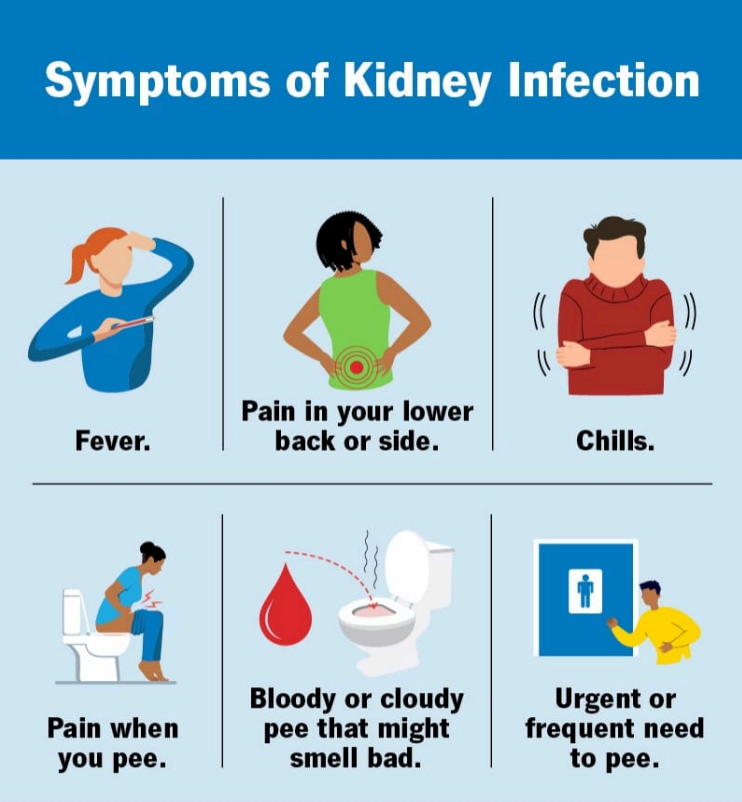
Clinical Symptoms

The symptoms of a renal infection can vary from mild to severe and may include:
● Fever and chills
● Flank pain (pain in the back and side)
● Nausea and vomiting
● Frequent urination
● Burning sensation during urination
● Cloudy or foul-smelling urine
● Hematuria (blood in urine)

Risk Factors

Several factors increase the risk of developing renal infections:
● Female gender: Women are more prone to urinary tract infections.
● Sexual activity: Increases the risk of bacteria entering the urinary tract.
● Use of certain birth control methods: Such as diaphragms or spermicidal agents.
● Pregnancy: Changes in the urinary tract during pregnancy can increase susceptibility.
● Urinary tract abnormalities: Structural issues can obstruct urine flow.
● Immunosuppression: Conditions like diabetes or medications that weaken the immune system.

Complications

If left untreated, renal infections can lead to severe complications, including:

● Chronic kidney disease: Repeated infections can cause permanent kidney damage.
● Sepsis: The infection can spread to the bloodstream, leading to a life-threatening
condition.
● Renal abscess: Pockets of pus can form in the kidneys.
● High blood pressure: Chronic infections can lead to hypertension.

Differential Diagnosis

Renal infections need to be differentiated from other conditions that present with similar symptoms:
● Acute appendicitis
● Cholecystitis
● Lower urinary tract infections
● Kidney stones
● Interstitial cystitis

Investigations

To diagnose a renal infection, the following investigations are typically conducted:
● Urinalysis: To detect bacteria, white blood cells, and red blood cells.
● Urine culture: To identify the specific bacteria causing the infection.
● Blood tests: To check for elevated white blood cell count and bacteria in the
bloodstream.
● Imaging studies: Ultrasound or CT scan to detect structural abnormalities or abscesses.

Homeopathic Approaches

Homeopathy offers a holistic approach to managing renal infections. Remedies are selected
based on individual symptoms and overall health.

Common Homeopathic Remedies:
● Cantharis: For intense burning during urination.
● Berberis vulgaris: For sharp, shooting pain extending from the kidneys to the bladder.
● Apis mellifica: For urinary retention and swelling.
● Sarsaparilla: For severe pain at the end of urination.
● Eucalyptus: For overall urinary tract antiseptic properties.

Management

Managing renal infections involves a combination of homeopathic remedies, lifestyle changes, and supportive care.

Homeopathic Management:

  1. Acute Phase: High-potency remedies in frequent doses to control infection and alleviate
    symptoms.
  2. Chronic Phase: Lower potencies in less frequent doses to prevent recurrence and
    strengthen the urinary system.

Supportive Care:

● Hydration: Drink plenty of fluids to flush out bacteria.
● Rest: Adequate rest to support the immune system.
● Warm Compresses: To relieve flank pain.

Diet

A healthy diet can aid in the prevention and recovery from renal infections.

Recommended Foods:
● Cranberries: Known to prevent bacteria from adhering to the urinary tract.
● Probiotic-rich foods: Yogurt, kefir to maintain healthy gut flora.
● Hydrating fruits and vegetables: Cucumbers, watermelon, and celery.
● Anti-inflammatory foods: Turmeric, ginger, and green leafy vegetables.

Foods to Avoid:
● Caffeine and alcohol: Can irritate the bladder.
● Spicy foods: May exacerbate symptoms.
● Processed foods: High in salt and preservatives.

Exercise

Moderate exercise is beneficial for overall health but should be tailored to individual tolerance
levels during infection.

Recommended Activities:
● Walking: Gentle walks to maintain circulation.
● Yoga: Specific poses that promote kidney health, such as the child’s pose and the bridge
pose.
● Breathing exercises: To reduce stress and improve oxygenation.

Conclusion

Renal infections are serious but manageable conditions. A comprehensive approach combining
homeopathic remedies, supportive care, proper diet, and appropriate exercise can effectively
manage and prevent renal infections. Always consult with a healthcare professional for a
personalized treatment plan.

Book an appointment at Globule Clinics

Please log in to comment.

Blog

Understanding Kidney Stones: Causes, Symptoms, and HomeopathicApproaches

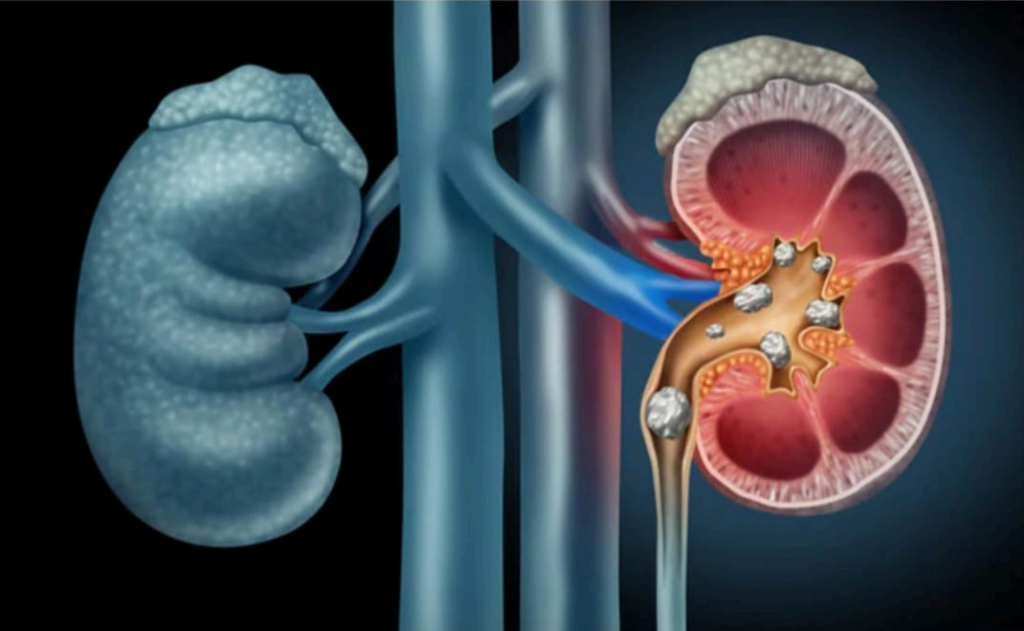
Kidney Stones:

A Brief Overview Kidney stones are solid masses made of crystals that
typically originate in the kidneys but can develop anywhere along the urinary tract. They vary in
size and can cause significant pain and discomfort.

Causes of Kidney Stones

Kidney stones form when certain chemicals in the urine crystallize.
Common causes include:
● Dehydration: Not drinking enough water increases the risk of stone formation.
● Diet: High intake of salt, sugar, and protein can contribute to stone development.
● Medical Conditions: Conditions like hyperparathyroidism and urinary tract infections
(UTIs) can increase the risk.
● Genetics: A family history of kidney stones may increase your risk.

Clinical Symptoms

The symptoms of kidney stones can vary depending on the size and location of the stone.

Common symptoms include:

● Severe pain in the back, side, lower abdomen, or groin
● Pain during urination
● Pink, red, or brown urine (hematuria)
● Nausea and vomiting
● Frequent urination or a persistent urge to urinate
● Fever and chills if an infection is present

Risk Factors

Several factors can increase the likelihood of developing kidney stones:

● Age and Sex: More common in adults, particularly males.
● Diet: High salt and protein intake.
● Hydration Level: Low fluid intake.
● Medical History: Prior kidney stones or certain chronic illnesses.
● Medications: Some drugs can contribute to stone formation.

Complications

If left untreated, kidney stones can lead to complications such as:

● Urinary tract infections
● Kidney damage or scarring
● Obstruction of the urinary tract
● Chronic kidney disease

Differential Diagnosis

Conditions that may present similarly to kidney stones include:

● Appendicitis
● Ectopic pregnancy
● Hernia
● Urinary tract infection
● Gallstones

Investigation

Diagnosing kidney stones typically involves:

● Imaging Tests: CT scans, ultrasounds, or X-rays.
● Urinalysis: Checking for crystals, bacteria, blood, or other substances.
● Blood Tests: Measuring kidney function and levels of substances that can form stones.

Homeopathic Approaches and Management

Homeopathy offers various remedies tailored to the individual’s symptoms and constitution. Some commonly used homeopathic treatments for kidney stones include:

● Berberis Vulgaris: Effective for sharp pains in the kidney region.
● Lycopodium: Useful for right-sided kidney stones with severe back pain.
● Cantharis: For burning pain during urination.
● Nux Vomica: Suitable for stones accompanied by nausea and digestive issues.

Diet and Exercise

A holistic approach to managing kidney stones includes:

● Hydration: Drink plenty of water to help flush out the urinary system.
● Dietary Adjustments:
○ Reduce salt and protein intake.
○ Increase intake of fruits and vegetables.
○ Limit foods high in oxalates like spinach, beets, and nuts.
● Exercise: Regular physical activity can help maintain a healthy weight and support
overall kidney health.

Conclusion

Kidney stones can be a painful and recurrent problem, but understanding their
causes, symptoms, and risk factors can aid in prevention and management. Homeopathy offers
personalized treatments that, along with dietary and lifestyle changes, can provide relief and
prevent recurrence. Always consult a healthcare professional for accurate diagnosis and
treatment tailored to individual needs.

Watch this video

Book an appointment at Globule Clinics

Please log in to comment.

Blog

Understanding ADHD: Causes, Symptoms, and Homeopathic Management

Attention Deficit Hyperactivity Disorder (ADHD) is a neurodevelopmental disorder that affects both children and adults. Characterized by persistent patterns of inattention, hyperactivity, and impulsivity, ADHD can significantly impact daily functioning and quality of life. This blog delves into the causes, clinical symptoms, risk factors, complications, investigations, and homeopathic approaches for managing ADHD. Additionally, we will explore the role of diet and exercise in supporting individuals with ADHD.

Causes of ADHD

The exact cause of ADHD remains unclear, but several factors are believed to contribute:

  1. Genetics: ADHD tends to run in families, suggesting a genetic component.
  2. Neurotransmitter Imbalance: Dysregulation of neurotransmitters, particularly dopamine
    and norepinephrine, is implicated in ADHD.
  3. Brain Structure and Function: Differences in brain anatomy and activity, especially in
    areas related to attention and impulse control, have been observed.
  4. Environmental Factors: Prenatal exposure to toxins, low birth weight, and premature
    birth are associated with an increased risk of developing ADHD.
  5. Psychosocial Factors: Family environment, parenting style, and early life stress may
    influence the development and severity of ADHD symptoms.

Clinical Symptoms of ADHD

ADHD symptoms are categorized into two main types: inattention and hyperactivity-impulsivity. Individuals may exhibit symptoms of one type or both.

Inattention:
● Difficulty sustaining attention in tasks or play activities
● Frequent careless mistakes in schoolwork or other activities
● Difficulty organizing tasks and activities
● Avoidance of tasks requiring sustained mental effort
● Easily distracted by extraneous stimuli
● Forgetfulness in daily activities

Hyperactivity-Impulsivity:
● Fidgeting or tapping hands and feet
● Inability to stay seated in situations where it is expected
● Running or climbing in inappropriate situations
● Inability to play or engage in activities quietly
● Talking excessively
● Interrupting or intruding on others’ conversations or games
● Difficulty waiting for one’s turn

Risk Factors for ADHD

Several risk factors increase the likelihood of developing ADHD:

1. Family History: A close relative with ADHD or another mental health disorder increases risk.
2. Prenatal Factors: Maternal smoking, alcohol use, or drug use during pregnancy.
3. Environmental Toxins: Early exposure to lead or other environmental toxins.
4. Premature Birth: Being born prematurely or with a low birth weight.
5. Brain Injuries: History of brain injuries or infections.

Complications Associated with ADHD

ADHD can lead to various complications, impacting different aspects of life:

  1. Academic Challenges: Poor performance, higher dropout rates, and learning disabilities.
  2. Social Difficulties: Strained relationships, social rejection, and difficulty making and keeping friends.
  3. Behavioral Issues: Higher incidence of accidents and risky behaviors, including substance abuse.
  4. Emotional Problems: Increased risk of developing anxiety, depression, and low self-esteem.

Investigations for ADHD

Diagnosing ADHD involves a comprehensive evaluation:

  1. Clinical Interviews: Detailed interviews with the patient, parents, and teachers.
  2. Behavior Rating Scales: Standardized questionnaires to assess ADHD symptoms.
  3. Medical History: Reviewing medical, developmental, and family history.
  4. Neuropsychological Testing: Assessing cognitive and executive functioning.
  5. Physical Examination: To rule out other medical conditions that may mimic ADHD symptoms.

Homeopathic Approaches to Managing ADHD

Homeopathy offers a holistic approach to managing ADHD, focusing on individualized treatment plans:

  1. Constitutional Remedies: Based on the individual’s overall constitution, personality, and symptom profile. Common remedies include:
    ○ Hyoscyamus: For impulsive, restless behavior, and difficulty concentrating.
    ○ Stramonium: For hyperactive behavior with violent outbursts and fears.
    ○ Tarentula Hispanica: For extreme restlessness and hyperactivity.
  2. Symptomatic Remedies: Target specific symptoms such as inattention, hyperactivity, or impulsivity.
  3. Behavioral Management: Incorporating behavior modification techniques alongside homeopathic treatment.
  4. Nutritional Support: Recommending dietary changes to address potential nutrient deficiencies.

Role of Diet and Exercise

Diet:

  1. Balanced Nutrition: Emphasizing a diet rich in fruits, vegetables, whole grains, lean proteins, and healthy fats.
  2. Avoiding Artificial Additives: Reducing intake of artificial colors, flavors, and preservatives.
  3. Omega-3 Fatty Acids: Including sources like fish, flaxseeds, and walnuts to support brain health.
  4. Limiting Sugar and Processed Foods: Reducing consumption of sugary and processed foods to stabilize blood sugar levels.

Exercise:

  1. Regular Physical Activity: Encouraging daily exercise to improve focus, reduce
    hyperactivity, and enhance mood.
  2. Structured Sports: Participation in organized sports to promote discipline and social
    skills.
  3. Mind-Body Practices: Incorporating yoga, tai chi, or mindfulness exercises to improve
    concentration and reduce stress.
Book an appointment at Globule Clinics

Please log in to comment.

Blog

Understanding Growth Retardation in Children

Growth retardation in children is a significant concern for parents and healthcare professionals alike. This blog will delve into the causes, clinical symptoms, risk factors, complications, investigations, homeopathic approaches, management, exercise, and dietary recommendations related to growth retardation.

Causes

Growth retardation can result from various factors, including:

  1. Genetic Disorders: Conditions like Turner syndrome, Down syndrome, and Noonan
    syndrome.
  2. Endocrine Disorders: Hypothyroidism, growth hormone deficiency, and Cushing’s
    syndrome.
  3. Chronic Illnesses: Congenital heart disease, chronic kidney disease, and cystic fibrosis.
  4. Malnutrition: Insufficient intake of essential nutrients.
  5. Psychosocial Factors: Emotional neglect or chronic stress.
  6. Intrauterine Growth Restriction (IUGR): Poor growth of a baby while in the mother’s
    womb.
  7. Environmental Factors: Exposure to toxins, infections, or inadequate healthcare.

Clinical Symptoms

Children with growth retardation may exhibit:

  1. Short Stature: Significantly below average height for their age.
  2. Delayed Development: Late milestones like walking or talking.
  3. Poor Weight Gain: Inability to gain weight at a normal rate.
  4. Decreased Appetite: Lack of interest in eating.
  5. Fatigue: Persistent tiredness and low energy levels.
  6. Delayed Puberty: Late onset of puberty-related changes.

Risk Factors

Several factors increase the risk of growth retardation:

  1. Family History: Genetic predisposition to short stature.
  2. Prematurity: Babies born prematurely are at higher risk.
  3. Low Birth Weight: Babies with low birth weight are more prone to growth issues.
  4. Chronic Illnesses: Long-term health conditions can impede growth.
  5. Poor Nutrition: Inadequate nutrition during crucial growth periods.
  6. Socioeconomic Status: Limited access to healthcare and nutrition.

Complications

Untreated growth retardation can lead to:

  1. Delayed Cognitive Development: Affecting learning and intellectual abilities.
  2. Emotional and Social Issues: Low self-esteem and social isolation.
  3. Increased Morbidity: Higher risk of infections and chronic diseases.
  4. Poor Bone Health: Increased risk of fractures and osteoporosis.

Investigation

To diagnose growth retardation, healthcare providers may:

  1. Monitor Growth Patterns: Regular measurement of height and weight.
  2. Bone Age Assessment: X-rays to evaluate bone development.
  3. Hormone Levels: Blood tests to check for hormonal deficiencies.
  4. Genetic Testing: Identify any underlying genetic conditions.
  5. Nutritional Assessment: Evaluate dietary intake and nutritional status.
  6. Imaging Studies: Ultrasounds or MRIs to check for structural anomalies.

Homeopathic Approaches

Homeopathy offers individualized treatment plans focusing on the child’s overall well-being.
Common remedies include:

  1. Calcarea Phosphorica: For children with delayed milestones and poor growth.
  2. Silicea: Helps in improving appetite and overall development.
  3. Baryta Carbonica: Suitable for children with physical and mental developmental delays.
  4. Tuberculinum: For children with a history of recurrent infections and poor growth.

Management

Effective management of growth retardation involves:

  1. Regular Monitoring: Tracking growth progress and adjusting treatment plans.
  2. Addressing Underlying Conditions: Treating any medical conditions contributing to
    growth issues.
  3. Nutritional Support: Ensuring a balanced diet rich in essential nutrients.
  4. Psychosocial Support: Providing emotional and psychological support to the child and
    family.

Exercise

Regular physical activity can help improve growth and development. Recommended exercises
include:

  1. Stretching Exercises: Promote flexibility and improve posture.
  2. Strength Training: Light weight-bearing exercises to build muscle and bone strength.
  3. Aerobic Activities: Swimming, running, and cycling to enhance overall fitness.
  4. Yoga: Improves flexibility, balance, and mental well-being.

Diet

A balanced diet is crucial for optimal growth. Key dietary recommendations include:

  1. Protein-Rich Foods: Lean meats, fish, eggs, and legumes.
  2. Calcium and Vitamin D: Dairy products, leafy greens, and fortified foods for bone
    health.
  3. Iron-Rich Foods: Red meat, poultry, and iron-fortified cereals.
  4. Fruits and Vegetables: A variety of colorful fruits and vegetables for essential vitamins
    and minerals.
  5. Hydration: Adequate water intake to support overall health.

Conclusion

Growth retardation is a multifaceted issue requiring a comprehensive approach to diagnosis and
management. By addressing underlying causes, providing nutritional and psychosocial support,
and incorporating homeopathic remedies, we can help children achieve their full growth
potential. Regular exercise and a balanced diet are also essential components of a holistic
growth-promoting strategy

Book an appointment at Globule Clinics

Please log in to comment.

Blog

Understanding Adenoids: A Comprehensive Guide

Introduction

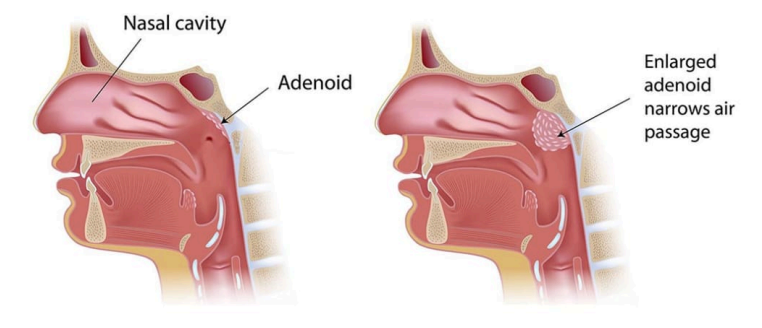
Adenoids are small lumps of tissue located at the back of the nasal cavity. They are part of the
immune system and help protect the body from viruses and bacteria. However, they can
become problematic, especially in children. This blog will cover the definition, causes, clinical
symptoms, risk factors, complications, differential diagnosis, investigation, homeopathic
approach, management, and dietary considerations for adenoids.

Definition

Adenoids are lymphoid tissues situated in the nasopharynx. They are part of the body’s first line
of defense, producing antibodies to fight infections.

Causes

● Infections: Frequent infections, such as colds and throat infections, can cause adenoids
to become enlarged.
● Allergies: Allergic reactions can lead to inflammation and enlargement of the adenoids.
● Genetics: A family history of adenoid problems can increase the likelihood of developing
adenoid issues.

Clinical Symptoms

● Nasal obstruction
● Mouth breathing
● Snoring
● Sleep apnea
● Recurrent ear infections
● Nasal speech
● Difficulty swallowing
● Bad breath

Risk Factors

● Age: Adenoid problems are more common in children aged 3 to 7 years.
● Allergies: Children with allergies are more prone to adenoid enlargement.
● Infections: Frequent upper respiratory infections can lead to adenoid issues.
● Environmental factors: Exposure to pollutants and irritants can increase the risk.

Complications

● Chronic ear infections
● Sinus infections
● Difficulty breathing
● Sleep disturbances, including sleep apnea
● Impaired speech and hearing

Differential Diagnosis

● Chronic sinusitis
● Allergic rhinitis
● Nasal polyps
● Deviated nasal septum
● Tonsillitis

Investigation

● Physical Examination: A thorough ENT examination.
● Nasopharyngoscopy: Using a flexible endoscope to view the adenoids.
● X-rays: Lateral neck X-rays to visualize enlarged adenoids.
● CT Scan: Detailed imaging if complications are suspected.
● Hearing Tests: Assessing any impact on hearing due to adenoid enlargement.

Homeopathic Approach

Homeopathy offers a holistic approach to treating adenoids, focusing on the individual’s overall
health and symptoms.

● Baryta Carbonica: Useful for enlarged adenoids with recurrent throat infections.
● Calcarea Carbonica: For children who are overweight, sweat excessively, and have large adenoids.
● Agraphis Nutans: Effective for adenoid enlargement with nasal obstruction and ear problems.
● Kali Muriaticum: For adenoid problems with a white or grayish coating in the throat.
● Tuberculinum: For children with a family history of tuberculosis and frequent infections.

Management

● Regular Monitoring: Regular check-ups to monitor the size and impact of adenoids.
● Homeopathic Remedies: Administering appropriate remedies based on the individual’s
symptoms and constitution.
● Steam Inhalation: To reduce nasal congestion and inflammation.
● Hydration: Ensuring the child stays well-hydrated.
● Humidifiers: Using humidifiers to keep the air moist and reduce irritation.

Diet

● Healthy Diet: A balanced diet rich in fruits, vegetables, and whole grains to boost the
immune system.
● Avoiding Dairy: Reducing dairy intake if it aggravates mucus production.
● Hydration: Plenty of fluids to keep the throat moist and reduce irritation.
● Anti-inflammatory Foods: Incorporating foods like turmeric, ginger, and garlic to reduce
inflammation.

Adenoid problems, though common in children, can significantly impact their quality of life. Early
diagnosis and a comprehensive management plan, including homeopathic treatment and
dietary adjustments, can effectively manage symptoms and prevent complications. Always
consult a healthcare professional for personalized advice and treatment.

Book an appointment at Globule Clinics

Please log in to comment.

Blog

Understanding Tonsillitis: Clinical Symptoms, RiskFactors, Investigations, and Holistic Management

Tonsillitis, an inflammation of the tonsils, often affects children but can also occur in adults. This condition can significantly impact daily life, making understanding its symptoms, risk factors, and management approaches essential. Here, we delve into clinical symptoms, risk factors, investigations, and holistic approaches, including homoeopathy, diet, exercise, and other natural remedies.

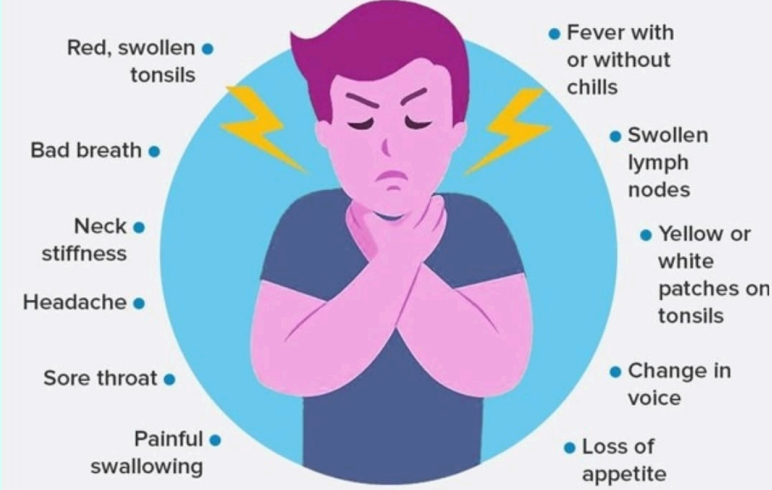
Clinical Symptoms

The symptoms of tonsillitis can vary in severity but typically include:

  1. Sore Throat: Persistent throat pain, often severe.
  2. Red and Swollen Tonsils: Visible inflammation and redness of the tonsils.
  3. White or Yellow Coating: Presence of spots or patches on the tonsils.
  4. Difficulty Swallowing: Pain or discomfort when swallowing.
  5. Fever: Elevated body temperature, often accompanied by chills.
  6. Swollen Lymph Nodes: Tender, swollen glands in the neck.
  7. Bad Breath: Due to bacterial infection.
  8. Voice Changes: Hoarseness or loss of voice.

Risk Factors

Several factors can increase the likelihood of developing tonsillitis:

  1. Age: Common in children aged 5-15 years.
  2. Frequent Infections: Recurrent viral or bacterial infections.
  3. Close Contact: Exposure to infected individuals, particularly in schools or crowded
    places.
  4. Immune System: Weakened immune system due to other illnesses or medications.
  5. Allergies: Chronic allergies can predispose to tonsil infections.

Investigations

To diagnose tonsillitis and determine its cause, several investigations may be conducted:

  1. Physical Examination: Inspection of the throat, ears, and nose.
  2. Throat Swab: A sample taken from the throat to test for bacterial infection.
  3. Blood Tests: To check for signs of infection and other underlying conditions.
  4. Complete Blood Count (CBC): To differentiate between viral and bacterial infections.
  5. Rapid Antigen Test: Quick test for streptococcal bacteria.

Homoeopathic Approaches

Homoeopathy offers individualized treatment plans based on specific symptoms and overall
health. Common remedies include:

  1. Belladonna: For sudden onset with high fever, redness, and pain.
  2. Hepar Sulphur: For purulent tonsillitis with pus formation.
  3. Phytolacca: For pain radiating to the ears and difficulty swallowing.
  4. Baryta Carbonica: For chronic enlargement of tonsils and recurrent infections.

Home Remedies

  1. Saltwater Gargle: Reduces swelling and discomfort.
  2. Hydration: Drinking plenty of fluids to keep the throat moist.
  3. Rest: Adequate rest to support the immune system.

Diet

  1. Soft Foods: Easy-to-swallow foods like soups, yogurt, and smoothies.
  2. Warm Liquids: Herbal teas and broths to soothe the throat.
  3. Anti-Inflammatory Foods: Foods rich in antioxidants, like fruits and vegetables.

Tonsillitis, while often uncomfortable, can be managed effectively through a combination of
conventional and holistic approaches. Early diagnosis, appropriate treatment, and lifestyle
modifications can help alleviate symptoms and prevent recurrent infections. Always consult with
a healthcare professional before starting any new treatment or therapy to ensure it’s safe and
appropriate for your specific condition.

Book an appointment at Globule Clinics

Please log in to comment.

Blog

Understanding Bed-Wetting: Causes, Solutions, andSupport

Introduction

Bed-wetting, also known as nocturnal enuresis, is a common issue, especially among children.
While it can be a source of stress and embarrassment, understanding the causes and solutions
can help manage and eventually overcome it. This blog aims to provide comprehensive
information about bed-wetting, its causes, and effective strategies to deal with it.

What is Bed-Wetting?

Bed-wetting refers to the involuntary urination during sleep, particularly at night. It is common
among children but can also affect teenagers and adults. There are two types of bed-wetting:
● Primary bed-wetting: When a child has never been consistently dry at night.
● Secondary bed-wetting: When a child or adult starts wetting the bed after having been
dry for a significant period.

Causes of Bed-Wetting

Understanding the underlying causes of bed-wetting is crucial for effective management. Some
common causes include:

  1. Genetics: Bed-wetting often runs in families. If one or both parents experienced
    bed-wetting as children, their offspring are more likely to have the same issue.
  2. Bladder Development: In some children, the bladder may not have developed enough
    to hold urine for an entire night.
  3. Deep Sleep: Some children are deep sleepers and may not wake up when their bladder
    is full.
  4. Hormonal Factors: A deficiency in antidiuretic hormone (ADH), which reduces urine
    production at night, can lead to bed-wetting.
  5. Medical Conditions: Conditions like urinary tract infections (UTIs), diabetes, or
    constipation can cause or contribute to bed-wetting.
  6. Stress and Anxiety: Emotional factors, such as stress or anxiety, can trigger
    bed-wetting in both children and adults.

Solutions and Management Strategies

While bed-wetting can be frustrating, there are several strategies to help manage and reduce its
occurrence:

  1. Establish a Routine: Encourage regular bathroom visits before bedtime and ensure the
    child avoids excessive fluid intake in the evening.
  2. Use Protective Bedding: Waterproof mattress protectors and absorbent pads can help
    manage the situation and protect the mattress.
  3. Positive Reinforcement: Reward systems for dry nights can motivate children to
    develop better bladder control.
  4. Bladder Training Exercises: These exercises can help increase bladder capacity and
    improve control.
  5. Moisture Alarms: Bed-wetting alarms can detect moisture and wake the child up,
    encouraging them to use the bathroom.
  6. Medical Intervention: In some cases, medication may be prescribed to manage
    symptoms, particularly if there is an underlying medical condition.

When to Seek Professional Help

While bed-wetting is often a natural part of growing up, it’s essential to consult a healthcare
professional if:
● The child is over seven years old and still frequently wets the bed.
● There are signs of underlying medical conditions (e.g., pain during urination, unusual
thirst).
● Bed-wetting starts suddenly after a period of dryness.

Supporting Your Child

Support and understanding from parents and caregivers play a crucial role in managing
bed-wetting. Here are some tips:
● Stay Positive: Avoid punishment or shaming, as this can increase stress and
exacerbate the issue.
● Offer Reassurance: Let your child know that bed-wetting is common and usually
resolves with time.
● Involve Your Child: Encourage your child to help with changing sheets and cleaning up,
promoting responsibility without blame.

Conclusion

Bed-wetting is a common and manageable condition. With the right approach and support,
children and adults can overcome it and improve their quality of life. If you’re dealing with
bed-wetting, remember to be patient, supportive, and proactive in seeking solutions.

Book an appointment at Globule Clinics

Please log in to comment.

Blog

Understanding Fever: A Comprehensive Guide

Introduction

Fever is a common symptom experienced by individuals of all ages. It is the body’s natural response to infection or illness, characterized by an elevation in body temperature above the normal range.

Causes of Fever

Fever can be triggered by a variety of factors, including:

  1. Infections: Bacterial, viral, fungal, or parasitic infections.
  2. Inflammatory Conditions: Rheumatoid arthritis, lupus, and other autoimmune diseases.
  3. Heat Exhaustion: Overheating due to excessive sun exposure or vigorous exercise.
  4. Medications: Certain drugs can cause drug-induced fever.
  5. Vaccinations: Some vaccines may cause a mild fever as a side effect.
  6. Cancer: Certain types of cancer, such as leukemia and lymphoma, can cause fever.

Pathophysiology of Fever (बुखार का रोगजनन)

  1. Detection of Pathogens (रोगजनकों का पता लगाना):
    • The body identifies harmful pathogens like bacteria, viruses, or other toxins.
  2. Pyrogen Release (पायरोजेन का रिलीज होना):
    • These pathogens trigger the release of pyrogens (fever-inducing substances) either externally (exogenous pyrogens) or internally (endogenous pyrogens).
  3. Hypothalamus Activation (हाइपोथैलेमस का सक्रिय होना):
    • Pyrogens signal the hypothalamus in the brain to raise the body’s set point temperature.
  4. Temperature Increase (तापमान बढ़ना):
    • The body generates more heat through shivering and reduces heat loss through blood vessel constriction.
  5. Stages of Fever (बुखार के चरण):
    • Onset (शुरुआत): Body temperature rises, feeling cold.
    • Stadium (स्थिर चरण): Body maintains the higher temperature.
    • Defervescence (अवरोहण): Body temperature returns to normal, sweating to cool down.

Common Myths About Fever (बुखार के बारे में आम मिथक)

  1. Myth: Fever is a disease. (मिथक: बुखार एक बीमारी है.)
    • Fact: Fever is not a disease; it is a symptom indicating the body is fighting an infection or illness (बुखार एक बीमारी नहीं है; यह एक लक्षण है जो दर्शाता है कि शरीर संक्रमण या बीमारी से लड़ रहा है).
  2. Myth: High fever always means a serious illness. (मिथक: उच्च बुखार हमेशा गंभीर बीमारी का संकेत है.)
    • Fact: While very high fevers can be concerning, moderate fever can be a normal response to common infections like colds or flu (हालांकि बहुत उच्च बुखार चिंताजनक हो सकता है, मध्यम बुखार सामान्य संक्रमणों जैसे सर्दी या फ्लू के प्रति सामान्य प्रतिक्रिया हो सकती है).
  3. Myth: You should always treat a fever immediately. (मिथक: बुखार का तुरंत इलाज करना चाहिए.)
    • Fact: Fever helps the immune system fight infections. It should only be treated if it’s causing discomfort or reaching dangerously high levels (बुखार प्रतिरक्षा प्रणाली को संक्रमण से लड़ने में मदद करता है। इसका इलाज तभी करना चाहिए जब यह असुविधा पैदा कर रहा हो या खतरनाक स्तर पर पहुंच रहा हो).
  4. Myth: Fevers need antibiotics. (मिथक: बुखार के लिए एंटीबायोटिक्स की जरूरत होती है.)
    • Fact: Fevers can be caused by viruses, against which antibiotics are ineffective. Antibiotics should only be used for bacterial infections (बुखार वायरस के कारण हो सकता है, जिनके खिलाफ एंटीबायोटिक्स अप्रभावी होते हैं। एंटीबायोटिक्स का उपयोग केवल बैक्टीरियल संक्रमणों के लिए किया जाना चाहिए).
  5. Myth: Fever can cause brain damage. (मिथक: बुखार मस्तिष्क को नुकसान पहुंचा सकता है.)
    • Fact: Simple fevers do not cause brain damage. Very high fevers (above 106°F or 41.1°C) are dangerous and need immediate medical attention (साधारण बुखार मस्तिष्क को नुकसान नहीं पहुंचाता है। बहुत उच्च बुखार (106°F या 41.1°C से अधिक) खतरनाक होते हैं और उन्हें तत्काल चिकित्सा ध्यान देने की आवश्यकता होती है).
  6. Myth: Cold baths are the best way to reduce fever. (मिथक: ठंडे स्नान बुखार को कम करने का सबसे अच्छा तरीका है.)
    • Fact: Cold baths can cause shivering, which may increase body temperature. Lukewarm baths or sponging can help make a person more comfortable (ठंडे स्नान कंपकंपी पैदा कर सकते हैं, जिससे शरीर का तापमान बढ़ सकता है। गुनगुने स्नान या स्पंजिंग से व्यक्ति को अधिक आराम मिल सकता है).

Risk Factors

Several factors can increase the likelihood of developing a fever, including:
● Age (infants and elderly are more susceptible)
● Weakened immune system
● Chronic illnesses
● Exposure to infectious agents
● Travel to areas with prevalent infections
● Inadequate vaccination

Investigations

To determine the cause of fever, the following investigations may be conducted:
● Physical Examination: Comprehensive clinical assessment.
● Blood Tests: Complete blood count (CBC), blood cultures, serology tests.
● Imaging: X-rays, CT scans, MRI.
● Urine Tests: Urinalysis, urine culture.
● Other Tests: Lumbar puncture for cerebrospinal fluid analysis, throat swabs.

Homeopathic Approach

Homeopathy offers a natural approach to managing fever. Remedies are selected based on
individual symptoms and overall health. Common homeopathic remedies for fever include:
● Aconite: For sudden onset of fever with restlessness and anxiety.
● Belladonna: For high fever with redness and throbbing pain.
● Ferrum Phos: For mild fever with no specific symptoms.
● Gelsemium: For fever with weakness and drowsiness.
● Bryonia: For fever with dryness of mucous membranes and intense thirst.

Management

Management of fever involves both medical and supportive care:
● Medications: Antipyretics like acetaminophen or ibuprofen to reduce fever.
● Hydration: Drinking plenty of fluids to prevent dehydration.
● Rest: Ensuring adequate rest to aid recovery.
● Cool Compresses: Applying cool, damp cloths to the forehead and body.

Diet

A balanced diet can support the body in fighting infections and recovering from fever.
Recommendations include:
● Fluids: Water, herbal teas, broths, and electrolyte solutions.
● Fruits and Vegetables: Rich in vitamins and antioxidants.
● Light Meals: Easily digestible foods like soups, stews, and porridge.
● Avoid: Processed foods, caffeine, and alcohol.

Exercise

While exercise is beneficial for overall health, it should be moderated during a fever:
● Rest: Prioritize rest and avoid strenuous activities.
● Gentle Movements: Light stretching or short walks if energy levels permit.
● Listen to Your Body: Resume regular exercise gradually after full recovery.

Holistic Approach

A holistic approach to fever focuses on the overall well-being of the individual:
● Mind-Body Practices: Yoga, meditation, and deep breathing exercises to reduce stress.
● Natural Remedies: Herbal teas (ginger, chamomile) and essential oils (peppermint,
eucalyptus) for comfort.
● Support System: Emotional support from family and friends.

Conclusion

Fever is a symptom that should not be ignored, as it can indicate underlying health issues.
Understanding its causes, symptoms, and appropriate management is essential for effective
treatment and recovery. A comprehensive approach, incorporating conventional medicine,
homeopathy, diet, exercise, and holistic practices, can provide the best outcomes for individuals
experiencing fever.

https://globuleclinics.in/book-an-appointment/बिना किसी साइड इफेक्ट के होम्योपैथी से अपना बुखार ठीक करें केवल 250 रुपये* में।

Book an appointment at Globule Clinics
Nirdesh Singh
Thanku globule clinics for cure my fever.☺️

Please log in to comment.

Blog

Comprehensive Guide to Cough: Causes, Risk factors ,required tests, and its Homeopathic Management

Introduction

Coughing is a common reflex action that clears your throat of mucus or foreign irritants. While
it’s a protective mechanism, a persistent cough can be bothersome and sometimes indicative of
an underlying health condition.

Possible Causes of Cough and Risk Factors (खांसी के संभावित कारण और जोखिम कारक)

1. Common Cold (साधारण सर्दी)

Cause (कारण)

  • Virus (वायरस): Common cold is usually caused by rhinoviruses and coronaviruses (साधारण सर्दी आमतौर पर राइनोवायरस और कोरोनावायरस के कारण होती है).

Risk Factors (जोखिम कारक)

  • Exposure to Cold Weather (ठंड के मौसम के संपर्क में आना): Increases the chance of catching a cold (सर्दी लगने की संभावना बढ़ जाती है).
  • Weakened Immune System (कमजोर प्रतिरक्षा प्रणाली): People with a weak immune system are more prone to infections (कमजोर प्रतिरक्षा प्रणाली वाले लोग संक्रमण के प्रति अधिक संवेदनशील होते हैं).
  • Close Contact with Infected Individuals (संक्रमित व्यक्तियों के निकट संपर्क में आना): Spreads easily in crowded places (भीड़-भाड़ वाले स्थानों में आसानी से फैलता है).

2. Flu (इन्फ्लूएंजा)

Cause (कारण)

  • Influenza Virus (इन्फ्लूएंजा वायरस): Flu is caused by different strains of the influenza virus (इन्फ्लूएंजा फ्लू विभिन्न प्रकार के इन्फ्लूएंजा वायरस के कारण होता है).

Risk Factors (जोखिम कारक)

  • Seasonal Changes (मौसमी बदलाव): More common in winter (सर्दियों में अधिक आम).
  • Age (उम्र): Very young and elderly people are at higher risk (बहुत छोटे और बुजुर्ग लोग उच्च जोखिम में होते हैं).
  • Chronic Illnesses (पुरानी बीमारियाँ): Conditions like diabetes, asthma, or heart disease increase risk (मधुमेह, अस्थमा, या हृदय रोग जैसी स्थितियां जोखिम बढ़ाती हैं).

3. Allergies (एलर्जी)

Cause (कारण)

  • Allergens (एलर्जेन): Pollen, dust mites, mold, pet dander (पराग, धूल के कण, फफूंदी, पालतू जानवरों के बाल).

Risk Factors (जोखिम कारक)

  • Family History (पारिवारिक इतिहास): If allergies run in your family, you’re more likely to have them (यदि आपके परिवार में एलर्जी है, तो आपको भी एलर्जी होने की संभावना अधिक है).
  • Environment (पर्यावरण): Living in an area with high pollen counts or pollution (उच्च पराग मात्रा या प्रदूषण वाले क्षेत्र में रहना).

4. Asthma (अस्थमा)

Cause (कारण)

  • Inflammation (सूजन): Airways become inflamed and narrow (श्वासनलिकाएं सूज जाती हैं और संकीर्ण हो जाती हैं).

Risk Factors (जोखिम कारक)

  • Genetics (आनुवंशिकी): Family history of asthma or other allergies (अस्थमा या अन्य एलर्जी का पारिवारिक इतिहास).
  • Environmental Factors (पर्यावरणीय कारक): Exposure to pollutants, smoke, or allergens (प्रदूषक, धुआं, या एलर्जेन के संपर्क में आना).

5. Bronchitis (ब्रोंकाइटिस)

Cause (कारण)

  • Infection (संक्रमण): Usually caused by viruses but can also be bacterial (आमतौर पर वायरस के कारण, लेकिन बैक्टीरिया भी हो सकते हैं).

Risk Factors (जोखिम कारक)

  • Smoking (धूम्रपान): Major cause of chronic bronchitis (पुरानी ब्रोंकाइटिस का मुख्य कारण).
  • Weakened Immune System (कमजोर प्रतिरक्षा प्रणाली): More susceptible to infections (संक्रमण के प्रति अधिक संवेदनशील).

6. Pneumonia (निमोनिया)

Cause (कारण)

  • Infection (संक्रमण): Can be viral, bacterial, or fungal (वायरल, बैक्टीरियल, या फंगल हो सकता है).

Risk Factors (जोखिम कारक)

  • Age (उम्र): Very young children and elderly are at higher risk (बहुत छोटे बच्चे और बुजुर्ग उच्च जोखिम में होते हैं).
  • Chronic Diseases (पुरानी बीमारियाँ): Conditions like diabetes, heart disease, or chronic lung diseases (मधुमेह, हृदय रोग, या पुरानी फेफड़ों की बीमारियां).

7. Gastroesophageal Reflux Disease (GERD) (गैस्ट्रोएसोफेजियल रिफ्लक्स डिजीज)

Cause (कारण)

  • Acid Reflux (एसिड रिफ्लक्स): Stomach acid flows back into the esophagus (पेट का एसिड वापस अन्नप्रणाली में चला जाता है).

Risk Factors (जोखिम कारक)

  • Diet (आहार): Eating spicy, fatty, or acidic foods (मसालेदार, वसायुक्त, या अम्लीय भोजन खाना).
  • Obesity (मोटापा): Increases pressure on the stomach (पेट पर दबाव बढ़ाता है).

8. Tuberculosis (TB) (क्षय रोग)

Cause (कारण)

  • Bacterial Infection (बैक्टीरियल संक्रमण): Caused by Mycobacterium tuberculosis (माइकोबैक्टीरियम ट्यूबरकुलोसिस के कारण).

Risk Factors (जोखिम कारक)

  • Close Contact with Infected Person (संक्रमित व्यक्ति के निकट संपर्क में आना): Spreads through air droplets (हवा की बूंदों के माध्यम से फैलता है).
  • Weak Immune System (कमजोर प्रतिरक्षा प्रणाली): HIV/AIDS or other conditions that weaken immunity (एचआईवी/एड्स या अन्य स्थितियां जो प्रतिरक्षा प्रणाली को कमजोर करती हैं).

9. Smoking (धूम्रपान)

Cause (कारण)

  • Toxins (विषाक्त पदार्थ): Harmful chemicals in cigarettes (सिगरेट में हानिकारक रसायन).

Risk Factors (जोखिम कारक)

  • Long-term Smoking (लंबे समय तक धूम्रपान): Increases the risk of chronic cough and lung diseases (पुरानी खांसी और फेफड़ों की बीमारियों का खतरा बढ़ाता है).

10. Heart Disease (हृदय रोग)

Cause (कारण)

  • Fluid Build-up (तरल पदार्थ का जमाव): Heart failure can cause fluid to accumulate in the lungs (हृदय विफलता से फेफड़ों में तरल पदार्थ जमा हो सकता है).

Risk Factors (जोखिम कारक)

  • High Blood Pressure (उच्च रक्तचाप): Increases risk of heart disease (हृदय रोग का जोखिम बढ़ाता है).
  • Obesity (मोटापा): Adds strain on the heart (हृदय पर दबाव बढ़ाता है).

Cough can have many causes, and understanding the risk factors can help you identify the underlying issue. If you experience a persistent cough, consult a doctor to determine the cause and receive appropriate treatment (अगर आपको लगातार खांसी हो रही है, तो कारण जानने और उचित उपचार प्राप्त करने के लिए डॉक्टर से परामर्श करें). Ignoring a cough can lead to serious health complications (खांसी को नजरअंदाज करने से गंभीर स्वास्थ्य जटिलताएं हो सकती हैं).

Investigations

Understanding the cause of a cough can sometimes require medical tests. While some tests need to be ordered by a doctor, there are a few investigations that a patient can initiate themselves to get a better understanding of their condition. Here are some common tests and what they reveal:

1. Complete Blood Count (CBC) (पूर्ण रक्त गणना)

What It Is (यह क्या है)

  • A blood test that measures various components of your blood, including red blood cells, white blood cells, and platelets (एक रक्त परीक्षण जो आपके रक्त के विभिन्न घटकों को मापता है, जिसमें लाल रक्त कोशिकाएं, सफेद रक्त कोशिकाएं और प्लेटलेट्स शामिल हैं).

What It Reveals (यह क्या बताता है)

  • Infection (संक्रमण): High white blood cell count can indicate bacterial infections, which might be causing your cough (उच्च सफेद रक्त कोशिका गणना बैक्टीरियल संक्रमण का संकेत दे सकती है, जो आपकी खांसी का कारण हो सकती है).
  • Allergies (एलर्जी): Elevated eosinophils can suggest allergic reactions (बढ़े हुए एसिनोफिल एलर्जी प्रतिक्रियाओं का सुझाव दे सकते हैं).

2. Chest X-Ray (छाती का एक्स-रे)

What It Is (यह क्या है)

  • An imaging test that takes a picture of the chest, including the lungs, heart, and blood vessels (एक इमेजिंग परीक्षण जो छाती, फेफड़े, हृदय और रक्त वाहिकाओं की तस्वीर लेता है).

What It Reveals (यह क्या बताता है)

  • Pneumonia (निमोनिया): Can show infections or inflammations in the lungs (फेफड़ों में संक्रमण या सूजन दिखा सकता है).
  • Lung Diseases (फेफड़ों की बीमारियाँ): Can help identify conditions like chronic bronchitis or lung cancer (पुरानी ब्रोंकाइटिस या फेफड़ों के कैंसर जैसी स्थितियों की पहचान करने में मदद कर सकता है).

3. Spirometry (स्पाइरोमेट्री)

What It Is (यह क्या है)

  • A test that measures how much air you can breathe in and out and how quickly you can do so (एक परीक्षण जो मापता है कि आप कितनी हवा अंदर-बाहर कर सकते हैं और कितनी तेजी से ऐसा कर सकते हैं).

What It Reveals (यह क्या बताता है)

  • Asthma (अस्थमा): Can diagnose and assess the severity of asthma (अस्थमा का निदान और गंभीरता का आकलन कर सकता है).
  • Chronic Obstructive Pulmonary Disease (COPD) (क्रॉनिक ऑब्स्ट्रक्टिव पल्मोनरी डिजीज): Can help detect COPD, a group of lung diseases that block airflow (सीओपीडी का पता लगाने में मदद कर सकता है, जो फेफड़ों की बीमारियों का एक समूह है जो वायु प्रवाह को अवरुद्ध करता है).

4. Allergy Tests (एलर्जी परीक्षण)

What It Is (यह क्या है)

  • Tests that identify specific allergens causing your symptoms, such as skin prick tests or blood tests (परीक्षण जो आपकी लक्षणों का कारण बनने वाले विशिष्ट एलर्जेन की पहचान करते हैं, जैसे कि त्वचा की प्रिक परीक्षण या रक्त परीक्षण).

What It Reveals (यह क्या बताता है)

  • Allergies (एलर्जी): Can pinpoint allergens like pollen, dust mites, or pet dander that might be causing a cough (एलर्जेन जैसे पराग, धूल के कण, या पालतू जानवरों के बाल की पहचान कर सकते हैं जो खांसी का कारण हो सकते हैं).

5. Sputum Test (बलगम परीक्षण)

What It Is (यह क्या है)

  • A test that examines mucus coughed up from the lungs to identify infection or other conditions (एक परीक्षण जो संक्रमण या अन्य स्थितियों की पहचान करने के लिए फेफड़ों से खांसी के बलगम की जांच करता है).

What It Reveals (यह क्या बताता है)

  • Bacterial Infections (बैक्टीरियल संक्रमण): Can identify bacteria causing bronchitis or pneumonia (ब्रोंकाइटिस या निमोनिया का कारण बनने वाले बैक्टीरिया की पहचान कर सकता है).
  • Tuberculosis (TB) (क्षय रोग): Can detect the presence of TB bacteria (टीबी बैक्टीरिया की उपस्थिति का पता लगा सकता है).

6. Pulse Oximetry (पल्स ऑक्सीमेट्री)

What It Is (यह क्या है)

  • A non-invasive test that measures the oxygen level (oxygen saturation) of the blood (एक गैर-आक्रामक परीक्षण जो रक्त के ऑक्सीजन स्तर (ऑक्सीजन संतृप्ति) को मापता है).

What It Reveals (यह क्या बताता है)

  • Oxygen Levels (ऑक्सीजन स्तर): Low oxygen levels can indicate lung problems or other conditions affecting breathing (कम ऑक्सीजन स्तर फेफड़ों की समस्याओं या अन्य स्थितियों को प्रभावित कर सकता है).

7. Peak Flow Measurement (पीक फ्लो मापन)

What It Is (यह क्या है)

  • A test that measures how well your lungs expel air (एक परीक्षण जो मापता है कि आपके फेफड़े हवा को कितनी अच्छी तरह बाहर निकालते हैं).

What It Reveals (यह क्या बताता है)

  • Asthma (अस्थमा): Can help monitor asthma control and detect early signs of an asthma attack (अस्थमा नियंत्रण की निगरानी करने और अस्थमा के हमले के प्रारंभिक संकेतों का पता लगाने में मदद कर सकता है).

These investigations can provide valuable information about the cause of your cough. However, it’s always best to consult with a healthcare professional to interpret the results and receive appropriate treatment (हालांकि, परिणामों की व्याख्या करने और उचित उपचार प्राप्त करने के लिए हमेशा एक स्वास्थ्य देखभाल पेशेवर से परामर्श करना सबसे अच्छा होता है). Early diagnosis can prevent complications and lead to better health outcomes (जल्दी निदान जटिलताओं को रोक सकता है और बेहतर स्वास्थ्य परिणामों की ओर ले जा सकता है).

Homeopathic Management

Homeopathy takes a holistic approach to treating cough, focusing on individual symptoms, underlying causes, and the overall constitution of the patient. Here are some examples of how homeopathy addresses different causes of cough:

In homeopathic materia medica, there are approximately 200-300 different remedies that can be used to treat various forms of cough. The exact number can vary depending on the source and the detailed symptomatology described for each remedy. A comprehensive materia medica like the one by George Vithoulkas or Dr. Narendra Singh would include this extensive list, offering a wide range of options tailored to specific symptoms and underlying conditions.

1. Common Cold and Flu (साधारण सर्दी और फ्लू)

Remedies (दवाइयाँ)

  • Aconitum Napellus (अकोनाइटम नेपेलस): For sudden onset of dry, hoarse cough, especially after exposure to cold wind (अचानक सूखी, कर्कश खांसी के लिए, विशेष रूप से ठंडी हवा के संपर्क में आने के बाद).
  • Belladonna (बेलाडोना): For a violent, dry cough with red face, sore throat, and fever (हिंसक, सूखी खांसी के लिए जिसमें लाल चेहरा, गले में खराश और बुखार हो).
  • Bryonia Alba (ब्रायोनिया अल्बा): For dry, painful cough aggravated by movement and talking, with a need to hold the chest (सूखी, दर्दनाक खांसी के लिए जो हिलने-डुलने और बात करने से बढ़ जाती है, जिसमें छाती को पकड़ने की आवश्यकता होती है).

2. Allergies (एलर्जी)

Remedies (दवाइयाँ)

  • Arsenicum Album (आर्सेनिकम एल्बम): For burning, dry cough with wheezing and restlessness, especially at night (जलन, सूखी खांसी के लिए जिसमें घरघराहट और बेचैनी हो, विशेष रूप से रात में).
  • Sabadilla (सबाडिला): For spasmodic cough triggered by tickling in the throat, often due to hay fever (गले में गुदगुदी के कारण होने वाली ऐंठन वाली खांसी के लिए, अक्सर हे फीवर के कारण).
  • Allium Cepa (एलियम सेपा): For sneezing and watery eyes along with a tickling cough, often worsened in warm rooms (छींकने और पानी भरी आँखों के साथ गुदगुदी वाली खांसी के लिए, अक्सर गर्म कमरे में खराब हो जाती है).

3. Asthma (अस्थमा)

Remedies (दवाइयाँ)

  • Spongia Tosta (स्पोंगिया टोस्टा): For dry, barking cough with a sensation of a plug in the throat, worse at night (सूखी, भौंकने वाली खांसी के लिए जिसमें गले में प्लग की अनुभूति होती है, रात में खराब हो जाती है).
  • Ipecacuanha (आईपेकैकुआन्हा): For persistent, violent cough with nausea and difficulty breathing (लगातार, हिंसक खांसी के लिए जिसमें मतली और सांस लेने में कठिनाई होती है).
  • Antimonium Tartaricum (एंटिमोनियम टार्टरिकम): For rattling cough with mucus that is difficult to expectorate, often with drowsiness (रटने वाली खांसी के लिए जिसमें बलगम निकालना मुश्किल होता है, अक्सर उनींदापन के साथ).

4. Bronchitis (ब्रोंकाइटिस)

Remedies (दवाइयाँ)

  • Hepar Sulphuris (हेपर सल्फुरिस): For a wet, rattling cough with yellow mucus, worse in cold air (गीली, रटने वाली खांसी के लिए जिसमें पीला बलगम होता है, ठंडी हवा में खराब हो जाती है).
  • Kali Bichromicum (काली बाइक्रोमिकम): For thick, stringy mucus and a cough that is worse in the morning (गाढ़े, धागेदार बलगम और खांसी के लिए जो सुबह में खराब होती है).
  • Pulsatilla (पल्साटिला): For a loose cough with yellow-green mucus, worse in the evening and in warm rooms (ढीली खांसी के लिए जिसमें पीला-हरा बलगम होता है, शाम को और गर्म कमरे में खराब होती है).

5. Pneumonia (निमोनिया)

Remedies (दवाइयाँ)

  • Phosphorus (फॉस्फोरस): For cough with blood-streaked sputum, burning chest pain, and a hoarse voice (खांसी के लिए जिसमें खून की धारियों वाला थूक, छाती में जलन और कर्कश आवाज होती है).
  • Bryonia Alba (ब्रायोनिया अल्बा): For dry, painful cough with pleuritic pain, worsened by movement (सूखी, दर्दनाक खांसी के लिए जिसमें प्ल्यूरिटिक दर्द होता है, हिलने-डुलने से खराब होती है).
  • Antimonium Tartaricum (एंटिमोनियम टार्टरिकम): For rattling cough with difficulty expectorating mucus, associated with weakness (रटने वाली खांसी के लिए जिसमें बलगम निकालना मुश्किल होता है, कमजोरी के साथ जुड़ा हुआ).

6. Gastroesophageal Reflux Disease (GERD) (गैस्ट्रोएसोफेजियल रिफ्लक्स डिजीज)

Remedies (दवाइयाँ)

  • Nux Vomica (नक्स वोमिका): For cough caused by digestive disturbances, often with irritability (पाचन संबंधी गड़बड़ी के कारण होने वाली खांसी के लिए, अक्सर चिड़चिड़ापन के साथ).
  • Robinia (रोबिनिया): For burning cough with sour belching and heartburn, worse at night (जलन वाली खांसी के लिए जिसमें खट्टे डकार और हार्टबर्न होती है, रात में खराब होती है).
  • Lycopodium (लाइकोपोडियम): For dry cough with bloating and indigestion, often worse in the evening (सूखी खांसी के लिए जिसमें सूजन और अपच होती है, अक्सर शाम को खराब होती है).

7. Tuberculosis (TB) (क्षय रोग)

Remedies (दवाइयाँ)

  • Tuberculinum (ट्यूबरकुलिनम): For chronic cough with weight loss, night sweats, and fatigue (पुरानी खांसी के लिए जिसमें वजन कम होना, रात को पसीना आना और थकान होती है).
  • Calcarea Phosphorica (कैलकेरिया फॉस्फोरिका): For cough with emaciation and weakness, especially in children (खांसी के लिए जिसमें शारीरिक दुर्बलता और कमजोरी होती है, विशेष रूप से बच्चों में).
  • Silicea (सिलिसिया): For cough with thick, purulent sputum, night sweats, and weakness (खांसी के लिए जिसमें गाढ़ा, मवादयुक्त थूक, रात को पसीना आना और कमजोरी होती है).

8. Smoking (धूम्रपान)

Remedies (दवाइयाँ)

  • Nux Vomica (नक्स वोमिका): For dry, hacking cough due to smoking, especially in the morning (धूम्रपान के कारण सूखी, खांसने वाली खांसी के लिए, विशेष रूप से सुबह में).
  • Staphysagria (स्टाफिसाग्रिया): For cough with a sensation of a lump in the throat, often caused by irritants (खांसी के लिए जिसमें गले में गांठ की अनुभूति होती है, अक्सर उत्तेजक पदार्थों के कारण).
  • Sulphur (सल्फर): For chronic cough with irritation, especially in those who are heavy smokers (पुरानी खांसी के लिए जिसमें जलन होती है, विशेष रूप से वे लोग जो भारी धूम्रपान करते हैं).

9. Heart Disease (हृदय रोग)

Remedies (दवाइयाँ)

  • Digitalis (डिजिटलिस): For cough with heart palpitations and a slow pulse, often due to heart failure (खांसी के लिए जिसमें हृदय की धड़कन और धीमी नाड़ी होती है, अक्सर हृदय विफलता के कारण).
  • Crataegus (क्रेटेगस): For cough with weakness and shortness of breath, beneficial for heart health (खांसी के लिए जिसमें कमजोरी और सांस की कमी होती है, हृदय स्वास्थ्य के लिए लाभकारी).
  • Cactus Grandiflorus (कैक्टस ग्रैंडिफ्लोरस): For cough with a feeling of constriction around the heart, often due to heart issues (खांसी के लिए जिसमें हृदय के चारों ओर संकुचन की अनुभूति होती है, अक्सर हृदय समस्याओं के कारण).

Conclusion (निष्कर्ष)

Homeopathy offers a tailored approach to treating cough by addressing the underlying causes and individual symptoms (होम्योपैथी खांसी के उपचार के लिए एक अनुकूलित दृष्टिकोण प्रदान करती है जो अंतर्निहित कारणों और व्यक्तिगत लक्षणों को संबोधित करती है). It’s important to consult with a qualified homeopathic practitioner to get the most appropriate remedy for your specific condition (आपकी विशिष्ट स्थिति के लिए सबसे उपयुक्त उपाय प्राप्त करने के लिए एक योग्य होम्योपैथिक चिकित्सक से परामर्श करना महत्वपूर्ण है). Homeopathy emphasizes understanding the person as a whole and treating the root cause of the ailment (होम्योपैथी पूरे व्यक्ति को समझने और बीमारी के मूल कारण का इलाज करने पर जोर देती है).

पुरानी खांसी और उसके कारण का होम्योपैथिक इलाज केवल 1199 रुपये/महीने में प्राप्त करें।

Book an appointment at Globule Clinics

Please log in to comment.

Blog

Understanding the Common Cold: Symptoms, Risks, Complications, and Homeopathic Management

Introduction


The common cold, a viral infection of the upper respiratory tract, is one of the most prevalent
illnesses affecting people of all ages. Characterized by its mild yet annoying symptoms, the
common cold is usually harmless, but it can lead to complications if not managed properly. This
article delves into the introduction of the common cold, its clinical symptoms, risk factors,
potential complications, and the homeopathic approach to managing it.

Clinical Symptoms

The common cold manifests through a variety of symptoms that typically appear one to three
days after exposure to a cold-causing virus. The most common symptoms include:
● Runny or Stuffy Nose: Excess mucus production leads to nasal congestion or a runny
nose.
● Sore Throat: Inflammation and irritation of the throat.
● Cough: A reflex action to clear the airways.
● Sneezing: A response to irritation in the nasal passages.
● Mild Fever: Slight elevation in body temperature.
● Body Aches and Headaches: General discomfort and pain in muscles and head.
● Fatigue: Feeling unusually tired and lethargic.

Risk Factors

Several factors can increase the likelihood of catching a cold:
● Age: Children under six are particularly susceptible to colds.
● Weakened Immune System: Chronic illnesses or immune-suppressing medications can
make individuals more vulnerable.
● Seasonal Changes: Cold and flu season peaks in fall and winter.
● Exposure: Close contact with infected individuals, especially in crowded places like
schools or public transportation, increases risk.
● Smoking: Smokers and those exposed to secondhand smoke are more likely to develop
colds.

Complications

While the common cold is typically mild, it can lead to more serious complications, particularly in
vulnerable populations:
● Acute Ear Infection (Otitis Media): Bacteria or viruses can enter the space behind the
eardrum.
● Asthma: A cold can trigger asthma attacks.
● Sinusitis: Inflammation and infection of the sinuses.
● Secondary Infections: Such as strep throat, bronchitis, or pneumonia, especially in
individuals with weakened immune systems.

Homeopathic Approach to Management

Homeopathy offers a gentle, holistic approach to managing the common cold. Some commonly
used homeopathic remedies include:
● Aconitum napellus: Effective at the onset of a cold, particularly when symptoms appear
suddenly after exposure to cold weather.
● Allium cepa: Useful for colds with watery eyes and a runny nose.
● Arsenicum album: For colds accompanied by restlessness and anxiety, with burning
nasal discharge.
● Belladonna: Best for sudden onset of high fever and dry, sore throat.
● Euphrasia: Helpful for colds with profuse, irritating tears and nasal discharge.
● Gelsemium: For colds with fatigue, drowsiness, and overall heaviness.

Diet for Managing the Common Cold

A balanced and nutritious diet can play a crucial role in managing and preventing the common
cold. Consider incorporating the following into your diet:
● Hydration: Drink plenty of fluids, including water, herbal teas, and broths, to stay
hydrated and help thin mucus.
● Vitamin C: Consume citrus fruits, strawberries, bell peppers, and broccoli to boost the
immune system.
● Zinc: Include foods rich in zinc, such as nuts, seeds, legumes, and whole grains, to
support immune function.
● Probiotics: Eat yogurt, kefir, and fermented foods to maintain a healthy gut, which is
essential for a strong immune system.
● Garlic and Ginger: These have natural antiviral and anti-inflammatory properties that
can help alleviate cold symptoms.
● Warm Soups and Broths: These can be soothing for the throat and provide necessary
nutrients.

Holistic Approaches to Managing the Common Cold

In addition to homeopathy, several holistic approaches can help manage cold symptoms and
promote recovery:
● Rest: Ensure adequate rest to allow the body to heal and recover.
● Steam Inhalation: Inhale steam from a bowl of hot water to relieve nasal congestion and
soothe the respiratory tract.
● Honey and Lemon: A warm drink made from honey and lemon can soothe a sore throat
and reduce coughing.
● Essential Oils: Eucalyptus and peppermint oils can be used in a diffuser or applied
topically (diluted) to help with congestion.
● Herbal Teas: Teas made from echinacea, elderberry, or chamomile can support the
immune system and provide relief from symptoms.
● Humidifiers: Use a humidifier to keep the air moist, which can ease congestion and
coughing.

Management and Prevention Tips

● Hydration: Drink plenty of fluids to stay hydrated.
● Rest: Ensure adequate rest to help the body fight off the infection.
● Nutritious Diet: Eat a balanced diet to support the immune system.
● Hygiene: Practice good hand hygiene to prevent the spread of viruses.
● Homeopathic Consultation: Consult a qualified homeopath to get personalized
remedies.

Conclusion
The common cold, while usually mild, can be a nuisance and lead to complications if not
properly managed. Understanding the symptoms, risk factors, and potential complications can
help in taking preventive measures. Homeopathy, along with a nutritious diet and holistic
approaches, offers a natural and effective way to manage and relieve cold symptoms, promoting
overall well-being.

बार बार होने वाली सर्दी एवं जुकाम का होम्योपैथिक इलाज मात्र 350* रुपए से शुरु।

Book an appointment at Globule Clinics

Please log in to comment.

Blog

Abdominal pain, it's causes, complications and Homeopathic management.

Introduction to Abdominal Pain

Abdominal pain is a common symptom that can arise from various causes, ranging from benign
conditions to serious, life-threatening diseases. It can affect any age group and is a frequent
reason for visits to primary care physicians and emergency departments.

Causes of Abdominal Pain

Abdominal pain can be categorized based on the underlying cause:

  1. Gastrointestinal Causes:
    ○ Gastroenteritis
    ○ Appendicitis
    ○ Irritable Bowel Syndrome (IBS)
    ○ Peptic Ulcer Disease
    ○ Gallstones
    ○ Diverticulitis
  2. Genitourinary Causes:
    ○ Urinary tract infections
    ○ Kidney stones
    ○ Ectopic pregnancy
  3. Vascular Causes:
    ○ Mesenteric ischemia
    ○ Abdominal aortic aneurysm
  4. Other Causes:
    ○ Abdominal wall pain
    ○ Herpes zoster
    ○ Metabolic disturbances (e.g., diabetic ketoacidosis)

Complications of untreated abdominal pain

Untreated abdominal pain can lead to various complications depending on the underlying cause. Here’s a detailed explanation in simple language, with some phrases in Hindi to aid understanding:

1. Appendicitis (Appendix का दर्द)

  • Complications:
    • Perforation (फटना): If not treated, the appendix can burst, spreading infection in the abdomen (पेट में संक्रमण फैल सकता है).
    • Peritonitis (पेरिटोनिटिस): A serious infection of the abdominal lining that can be life-threatening (यह जानलेवा हो सकता है).

2. Gallstones (पित्त की पथरी)

  • Complications:
    • Cholecystitis (पित्ताशय की सूजन): Gallbladder inflammation, causing severe pain and fever (तेज दर्द और बुखार हो सकता है).
    • Pancreatitis (अग्न्याशय की सूजन): Inflammation of the pancreas, leading to severe abdominal pain and digestive issues (भारी पेट दर्द और पाचन समस्या).

3. Peptic Ulcers (पेट के अल्सर)

  • Complications:
    • Bleeding (खून आना): Ulcers can bleed, leading to blood in vomit or stools (उल्टी या मल में खून आ सकता है).
    • Perforation (छिद्र हो जाना): The ulcer can create a hole in the stomach wall, causing severe infection (गंभीर संक्रमण हो सकता है).

4. Kidney Stones (गुर्दे की पथरी)

  • Complications:
    • Infection (संक्रमण): Stones can block urine flow, leading to urinary tract infections (मूत्र मार्ग में संक्रमण).
    • Kidney Damage (गुर्दे को नुकसान): Long-term blockage can damage the kidneys (गुर्दे खराब हो सकते हैं).

5. Irritable Bowel Syndrome (आईबीएस या अतिसंवेदनशील आंत सिंड्रोम)

  • Complications:
    • Chronic Pain (पुराना दर्द): Persistent pain and discomfort in the abdomen (लगातार पेट दर्द और असहजता).
    • Impact on Lifestyle (जीवनशैली पर असर): Affects daily activities and quality of life (दिनचर्या और जीवन की गुणवत्ता पर असर पड़ता है).

6. Diverticulitis (डाइवर्टीकुलाइटिस)

  • Complications:
    • Abscess (फोड़ा): Pockets of infection can form in the intestine (आंत में संक्रमण की थैलियाँ बन सकती हैं).
    • Perforation (छेद हो जाना): Can lead to a hole in the intestine, causing severe infection (गंभीर संक्रमण हो सकता है).

7. Gastroenteritis (पेट का फ्लू)

  • Complications:
    • Dehydration (निर्जलीकरण): Severe vomiting and diarrhea can cause dehydration (उल्टी और दस्त से शरीर में पानी की कमी हो सकती है).
    • Malnutrition (कुपोषण): Long-term illness can lead to poor nutrient absorption (पोषण की कमी हो सकती है).

8. Hernia (हर्निया)

  • Complications:
    • Strangulation (गला घुटना): The herniated part can get trapped, cutting off blood supply (रक्त प्रवाह रुक सकता है).
    • Infection (संक्रमण): Can lead to severe infection and tissue death (गंभीर संक्रमण और ऊतक की मृत्यु हो सकती है).

Ignoring abdominal pain can lead to severe and sometimes life-threatening complications. If you experience persistent or severe abdominal pain, it’s important to seek medical attention immediately (तुरंत चिकित्सक की सलाह लें). Early diagnosis and treatment can prevent many of these complications and improve your quality of life (जल्दी निदान और इलाज से कई जटिलताओं से बचा जा सकता है और जीवन की गुणवत्ता बेहतर हो सकती है).

When to see a Homeopathic Doctor?

Experiencing abdominal pain can be concerning, and it’s important to know when to seek medical attention. Here are some situations when you should see a doctor:

  • Severe Pain (तेज दर्द)
  • Pain Lasting More Than a Few Days (कुछ दिनों से ज्यादा दर्द होना)
  • Pain with Fever (दर्द के साथ बुखार)
  • Pain with Vomiting (दर्द के साथ उल्टी)
  • Pain with Blood in Stools (मल में खून के साथ दर्द)
  • Unexplained Weight Loss (बिना वजह वजन कम होना)
  • Pain with Difficulty Breathing (सांस लेने में कठिनाई के साथ दर्द)
  • Swelling or Hardness in the Abdomen (पेट में सूजन या कठोरता)
  • Pain After an Injury (चोट के बाद दर्द)
  • Changes in Urine (मूत्र में बदलाव)

Abdominal pain can be a sign of many different conditions, some of which require prompt medical treatment. If you experience any of the above symptoms along with abdominal pain, it’s important to seek medical attention immediately (उपर्युक्त लक्षणों के साथ पेट दर्द हो तो तुरंत चिकित्सकीय सहायता लें). Early diagnosis and treatment can prevent complications and ensure better health outcomes (जल्दी निदान और इलाज से जटिलताओं से बचा जा सकता है और बेहतर स्वास्थ्य सुनिश्चित हो सकता है).

Investigations that patient himself/herself can order directly

When experiencing abdominal pain, certain investigations can help determine the cause. While some tests require a doctor’s prescription, there are several that patients can request directly from diagnostic labs or online services. Here’s a detailed list of investigations that can help identify the cause of abdominal pain:

1. Blood Tests (रक्त परीक्षण)

Blood tests can reveal signs of infection, inflammation, and organ function:

  • Complete Blood Count (CBC) (सम्पूर्ण रक्त गणना): Detects infection, anemia, and inflammation (संक्रमण, एनीमिया, और सूजन का पता चलता है).
    • Key Indicators: Elevated white blood cells indicate infection or inflammation (उच्च सफेद रक्त कोशिकाएं संक्रमण या सूजन का संकेत देती हैं).
  • Liver Function Tests (LFTs) (यकृत कार्य परीक्षण): Assesses liver health and function (यकृत की सेहत और कार्य का मूल्यांकन).
    • Key Indicators: High levels of bilirubin or liver enzymes suggest liver or gallbladder issues (बिलीरुबिन या यकृत एंजाइम के उच्च स्तर यकृत या पित्ताशय की समस्या का संकेत देते हैं).
  • Amylase and Lipase (एमाइलेज और लाइपेज): Evaluates pancreas health (अग्न्याशय की सेहत का मूल्यांकन).
    • Key Indicators: Elevated levels indicate pancreatitis (उच्च स्तर अग्न्याशय की सूजन का संकेत देते हैं).
  • Electrolyte Panel (इलेक्ट्रोलाइट पैनल): Checks electrolyte balance, which can be disrupted by dehydration or gastrointestinal issues (इलेक्ट्रोलाइट संतुलन की जांच करता है).
    • Key Indicators: Imbalance can indicate dehydration or kidney issues (असंतुलन निर्जलीकरण या गुर्दे की समस्याओं का संकेत दे सकता है).
  • C-Reactive Protein (CRP) and Erythrocyte Sedimentation Rate (ESR) (सी-रिएक्टिव प्रोटीन और ईएसआर): Measures inflammation in the body (शरीर में सूजन को मापता है).
    • Key Indicators: High levels suggest inflammation or infection (उच्च स्तर सूजन या संक्रमण का संकेत देते हैं).

2. Urine Tests (मूत्र परीक्षण)

Urine tests help detect urinary tract infections (UTIs), kidney stones, and other conditions:

  • Urinalysis (मूत्र परीक्षण): Examines urine for signs of infection, blood, or other abnormalities (संक्रमण, खून या अन्य असामान्यताओं के संकेत के लिए मूत्र की जांच करता है).
    • Key Indicators: Presence of white blood cells, red blood cells, or bacteria indicates UTI or kidney issues (सफेद रक्त कोशिकाएं, लाल रक्त कोशिकाएं, या बैक्टीरिया का होना यूटीआई या गुर्दे की समस्याओं का संकेत देता है).

3. Stool Tests (मल परीक्षण)

Stool tests identify infections, digestive disorders, and bleeding:

  • Stool Culture (मल संस्कृति): Detects bacterial, viral, or parasitic infections (बैक्टीरिया, वायरस, या परजीवी संक्रमण का पता लगाता है).
    • Key Indicators: Presence of pathogens indicates gastrointestinal infection (रोगाणुओं की उपस्थिति गैस्ट्रोइंटेस्टाइनल संक्रमण का संकेत देती है).
  • Fecal Occult Blood Test (FOBT) (मल में छिपा हुआ खून परीक्षण): Checks for hidden blood in the stool (मल में छिपे हुए खून की जांच करता है).
    • Key Indicators: Positive result indicates bleeding in the digestive tract (सकारात्मक परिणाम पाचन तंत्र में रक्तस्राव का संकेत देता है).

4. Imaging Studies (इमेजिंग अध्ययन)

Imaging tests provide visual information about abdominal organs:

  • Abdominal Ultrasound (पेट का अल्ट्रासाउंड): Non-invasive scan to view organs like liver, gallbladder, pancreas, and kidneys (गैर-इनवेसिव स्कैन जो यकृत, पित्ताशय, अग्न्याशय, और गुर्दे को देखता है).
    • Uses: Detects gallstones, liver diseases, kidney stones, and abdominal masses (पित्त की पथरी, यकृत रोग, गुर्दे की पथरी, और पेट में गांठ का पता लगाता है).
  • X-ray (एक्स-रे): Simple imaging to detect obstructions, perforations, or certain masses (अवरोध, छिद्र या कुछ गांठों का पता लगाने के लिए सरल इमेजिंग).
    • Uses: Identifies bowel obstructions and perforations (आंत्र अवरोध और छिद्र का पता लगाता है).
  • CT Scan (सीटी स्कैन): Detailed imaging providing cross-sectional views of the abdomen (पेट के क्रॉस-सेक्शनल दृश्य प्रदान करता है).
    • Uses: Detects tumors, appendicitis, pancreatitis, and other detailed abnormalities (ट्यूमर, अपेंडिसाइटिस, अग्न्याशय की सूजन, और अन्य विस्तृत असामान्यताओं का पता लगाता है).

Patients can order these tests directly from diagnostic centers or online lab services. These investigations provide valuable information to help identify the cause of abdominal pain. However, it is always recommended to consult with a healthcare professional for proper diagnosis and treatment based on the results (सही निदान और इलाज के लिए स्वास्थ्य पेशेवर से सलाह लेना हमेशा बेहतर होता है).

Non-medicated Household Management of Abdominal pain.

Abdominal pain can often be managed with simple, non-medicinal household methods. Here are some effective techniques:

1. Warm Compress (गर्म सेंक)

  • Method: Apply a hot water bottle or a heating pad to the abdomen (पेट पर गर्म पानी की बोतल या हीटिंग पैड लगाएं).
  • Benefit: Heat can relax muscles and reduce cramps (गर्मी मांसपेशियों को आराम देती है और ऐंठन कम करती है).

2. Ginger (अदरक)

  • Method: Drink ginger tea or chew a small piece of fresh ginger (अदरक की चाय पिएं या ताजा अदरक का छोटा टुकड़ा चबाएं).
  • Benefit: Ginger helps in reducing nausea and improving digestion (अदरक मतली कम करने और पाचन सुधारने में मदद करता है).

3. Peppermint (पुदीना)

  • Method: Drink peppermint tea or suck on peppermint candies (पुदीने की चाय पिएं या पुदीने की कैंडी खाएं).
  • Benefit: Peppermint can help soothe stomach muscles and improve digestion (पुदीना पेट की मांसपेशियों को शांत करने और पाचन सुधारने में मदद कर सकता है).

4. Chamomile Tea (कैमोमाइल चाय)

  • Method: Drink chamomile tea (कैमोमाइल चाय पिएं).
  • Benefit: Chamomile has anti-inflammatory properties and can reduce spasms and discomfort (कैमोमाइल में सूजन-रोधी गुण होते हैं और यह ऐंठन और असहजता को कम कर सकता है).

5. Apple Cider Vinegar (सेब का सिरका)

  • Method: Mix a tablespoon of apple cider vinegar in a glass of warm water and drink it (एक गिलास गर्म पानी में एक चम्मच सेब का सिरका मिलाकर पिएं).
  • Benefit: It can help neutralize stomach acid and improve digestion (यह पेट के अम्ल को संतुलित करने और पाचन सुधारने में मदद कर सकता है).

6. Yogurt (दही)

  • Method: Eat plain yogurt (सादा दही खाएं).
  • Benefit: Yogurt contains probiotics which can improve gut health and digestion (दही में प्रोबायोटिक्स होते हैं जो आंत के स्वास्थ्य और पाचन में सुधार कर सकते हैं).

7. Fennel Seeds (सौंफ के बीज)

  • Method: Chew a teaspoon of fennel seeds or drink fennel tea (एक चम्मच सौंफ के बीज चबाएं या सौंफ की चाय पिएं).
  • Benefit: Fennel helps reduce bloating and gas (सौंफ सूजन और गैस को कम करने में मदद करता है).

8. Hydration (हाइड्रेशन)

  • Method: Drink plenty of water throughout the day (दिन भर भरपूर पानी पिएं).
  • Benefit: Staying hydrated helps digestion and prevents constipation (हाइड्रेटेड रहने से पाचन में मदद मिलती है और कब्ज से बचाव होता है).

9. Bananas (केले)

  • Method: Eat ripe bananas (पके हुए केले खाएं).
  • Benefit: Bananas are easy to digest and can soothe the stomach lining (केले पचने में आसान होते हैं और पेट की परत को शांत कर सकते हैं).

10. Rest and Relaxation (आराम और विश्राम)

  • Method: Lie down in a comfortable position and try to relax (आरामदायक स्थिति में लेटें और आराम करने की कोशिश करें).
  • Benefit: Resting helps the body heal and reduces stress-related stomach pain (आराम करने से शरीर को ठीक होने में मदद मिलती है और तनाव से संबंधित पेट दर्द कम होता है).

11. Avoiding Certain Foods (कुछ खाद्य पदार्थों से बचना)

  • Method: Avoid spicy, fatty, and acidic foods (मसालेदार, तैलीय और अम्लीय खाद्य पदार्थों से बचें).
  • Benefit: These foods can irritate the stomach and worsen pain (ये खाद्य पदार्थ पेट को परेशान कर सकते हैं और दर्द को बढ़ा सकते हैं).

12. Lemon Water (नींबू पानी)

  • Method: Drink a glass of warm water with lemon juice (गर्म पानी में नींबू का रस मिलाकर पिएं).
  • Benefit: Lemon water can aid digestion and reduce bloating (नींबू पानी पाचन में मदद कर सकता है और सूजन को कम कर सकता है).

Using these non-medicinal household methods can often provide relief from abdominal pain. However, if the pain persists or is severe, it is important to seek medical attention to rule out any serious conditions (अगर दर्द बना रहता है या बहुत तेज है, तो किसी गंभीर स्थिति को नजरअंदाज न करें और चिकित्सकीय सलाह लें).

Homeopathic approach to treat causes of Abdominal pain.

Homeopathy offers a personalized approach to treating abdominal pain, focusing on the individual’s symptoms and overall health. Here are the general principles and some common homeopathic remedies used to treat abdominal pain:

Homeopathic Approach

  1. Individualized Treatment (व्यक्तिगत उपचार)
    • Homeopathy treats the person as a whole, not just the symptoms. The practitioner will consider physical, emotional, and psychological aspects (होम्योपैथी व्यक्ति को संपूर्ण रूप में देखती है, केवल लक्षणों को नहीं).
  2. Symptom Analysis (लक्षणों का विश्लेषण)
    • Detailed examination of symptoms, including their nature, location, triggers, and any associated symptoms like nausea, bloating, or changes in bowel habits (लक्षणों का विस्तृत विश्लेषण किया जाता है).
  3. Patient History (मरीज का इतिहास)
    • Complete medical history, including lifestyle, diet, stress levels, and past illnesses, is taken into account (पूरा चिकित्सीय इतिहास और जीवनशैली, आहार, तनाव स्तर, और पिछले रोगों को ध्यान में रखा जाता है).
  4. Matching Remedies (उपयुक्त उपचार चुनना)
    • Remedies are chosen based on the principle of “like cures like,” meaning a substance causing symptoms in a healthy person is used to treat similar symptoms in a sick person (उपचार “जैसे को तैसा” सिद्धांत पर आधारित होता है).

Common Homeopathic Remedies for Abdominal Pain

  1. Nux Vomica (नक्स वोमिका)
    • Indications: Useful for abdominal pain caused by overeating, stress, or excessive intake of alcohol or stimulants. Symptoms include cramps, nausea, and constipation (अधिक खाने, तनाव, या शराब या उत्तेजक पदार्थों के अत्यधिक सेवन से पेट दर्द के लिए उपयोगी).
    • Dosage: 30C potency, 3-4 times a day until symptoms improve (30C पोटेंसी, दिन में 3-4 बार जब तक लक्षण सुधार न हो जाए).
  2. Colocynthis (कोलोकाइन्थिस)
    • Indications: Effective for cramping, colicky pain, especially relieved by bending double or applying pressure. Often used for irritable bowel syndrome (IBS) and menstrual cramps (क्रैम्पिंग, कोलिकी दर्द, खासकर झुकने या दबाव देने से आराम मिलता है).
    • Dosage: 30C potency, 3-4 times a day until symptoms improve (30C पोटेंसी, दिन में 3-4 बार जब तक लक्षण सुधार न हो जाए).
  3. Lycopodium (लाइकोपोडियम)
    • Indications: Helps with bloating, gas, and pain that worsens in the late afternoon or evening. Often used for digestive issues and liver problems (फूलना, गैस, और देर दोपहर या शाम को बढ़ने वाला दर्द).
    • Dosage: 30C potency, 2-3 times a day until symptoms improve (30C पोटेंसी, दिन में 2-3 बार जब तक लक्षण सुधार न हो जाए).
  4. Arsenicum Album (आर्सेनिकम एलबम)
    • Indications: Effective for burning pain, often accompanied by nausea, vomiting, and diarrhea. Symptoms may worsen at night and improve with warmth (जलन वाला दर्द, उल्टी और दस्त के साथ).
    • Dosage: 30C potency, 3-4 times a day until symptoms improve (30C पोटेंसी, दिन में 3-4 बार जब तक लक्षण सुधार न हो जाए).
  5. Bryonia (ब्रायोनिया)
    • Indications: Used for sharp, stitching pain that worsens with movement and improves with pressure. Often used for constipation and gastritis (तेज, सिलाई जैसा दर्द जो हिलने से बढ़ता है और दबाव देने से आराम मिलता है).
    • Dosage: 30C potency, 3-4 times a day until symptoms improve (30C पोटेंसी, दिन में 3-4 बार जब तक लक्षण सुधार न हो जाए).
  6. Chamomilla (कैमोमिला)
    • Indications: Helpful for abdominal pain in children, especially colic, and pain associated with irritability and restlessness (बच्चों में पेट दर्द के लिए उपयोगी, खासकर कोलिक के लिए).
    • Dosage: 30C potency, 3-4 times a day until symptoms improve (30C पोटेंसी, दिन में 3-4 बार जब तक लक्षण सुधार न हो जाए).

Homeopathy offers a holistic approach to treating abdominal pain by considering the individual’s overall health and specific symptoms. While these remedies can provide relief, it’s important to consult with a qualified homeopathic practitioner for personalized treatment and proper dosage (व्यक्तिगत उपचार और सही खुराक के लिए एक योग्य होम्योपैथिक चिकित्सक से सलाह लेना महत्वपूर्ण है). If the pain is severe or persistent, seek medical attention immediately (अगर दर्द बहुत तेज या लगातार है, तो तुरंत चिकित्सकीय सहायता लें).

पुराने या बार-बार होने वाले पेट दर्द के लिए परामर्श सेवा का लाभ उठाएं, केवल ₹1199/महीना में।

Hope you find the blog useful. Comment your feedback on this.
contact us for more information about the causes of Abdominal pain and it’s management.

Please log in to comment.

Blog

Understanding Diabetes: Causes, Symptoms, Diet, and Homeopathic Management

Introduction: Diabetes mellitus, commonly known as diabetes, is a chronic condition that affects how your body uses glucose (sugar) from the food you eat. Let’s explore what diabetes is all about, from its causes to its management, including dietary and homeopathic approaches.

Causes of Diabetes: Diabetes occurs when the pancreas doesn’t produce enough insulin (Type 1 diabetes) or when the body doesn’t effectively use insulin (Type 2 diabetes). Other factors like genetics, obesity, sedentary lifestyle, and certain medical conditions can also contribute to diabetes.

Symptoms of Diabetes: Common symptoms include frequent urination, excessive thirst, unexplained weight loss, fatigue, blurred vision, slow wound healing, and recurrent infections.

Differential Diagnosis: Diabetes shares symptoms with other conditions like urinary tract infections and thyroid disorders. Blood tests measuring blood sugar levels help diagnose diabetes.

Prognosis: With proper management, people with diabetes can lead healthy lives. However, uncontrolled diabetes can lead to complications such as heart disease, stroke, kidney disease, nerve damage, and vision problems.

Dietary Management: A balanced diet rich in fiber, whole grains, fruits, vegetables, lean proteins, and healthy fats helps manage blood sugar levels. Avoid sugary foods, refined carbohydrates, and excessive alcohol intake.

Homeopathic Management: Homeopathy offers individualized treatments to address the root cause of diabetes and improve overall health. Commonly used remedies include Syzygium Jambolanum, Uranium Nitricum, and Phosphoric Acid. These remedies aim to regulate blood sugar levels, improve insulin sensitivity, and alleviate associated symptoms.

Conclusion: Living with diabetes requires careful management of diet, lifestyle, and medical care. With proper education, support, and treatment, individuals with diabetes can lead fulfilling lives while minimizing the risk of complications.

Remember, always consult with a qualified healthcare professional for personalized advice and treatment options tailored to your specific needs and medical history. With dedication and the right support, managing diabetes is possible, allowing you to thrive and enjoy life to the fullest! 🌟🩸 #DiabetesAwareness #HealthyLiving

Please log in to comment.

Blog

Understanding Kidney Stones: Causes, Symptoms, Treatment, and Homeopathic Approaches

Introduction:

Kidney stones, medically known as nephrolithiasis or renal calculi, are hard deposits that form in the kidneys and can cause severe pain and discomfort. They are a common urinary tract disorder affecting millions of people worldwide. In this comprehensive guide, we will delve into the causes, symptoms, differential diagnosis, complications, and both conventional and homeopathic treatments for kidney stones.

Causes of Kidney Stones:

  1. Dehydration: Insufficient fluid intake can lead to concentrated urine, increasing the risk of crystal formation.
  2. Diet: High intake of oxalate-rich foods (such as spinach, nuts, and chocolate), as well as excessive sodium, protein, and sugar consumption, can contribute to stone formation.
  3. Genetics: Family history of kidney stones can increase susceptibility.
  4. Medical Conditions: Certain medical conditions, including urinary tract infections, hyperparathyroidism, and renal tubular acidosis, can predispose individuals to kidney stone formation.
  5. Lifestyle Factors: Obesity, sedentary lifestyle, and certain medications can also play a role.

Symptoms of Kidney Stones:

  1. Severe pain in the back, side, abdomen, or groin (colicky pain).
  2. Nausea and vomiting.
  3. Hematuria (blood in urine).
  4. Frequent urination.
  5. Painful urination.
  6. Fever and chills (if infection is present).

Differential Diagnosis:

Kidney stones can mimic the symptoms of other conditions, including urinary tract infections, appendicitis, and ovarian cysts. Differential diagnosis may involve imaging tests such as ultrasound, CT scans, and urinalysis to confirm the presence of stones and rule out other potential causes of symptoms.

Complications of Kidney Stones:

  1. Obstruction of the urinary tract, leading to hydronephrosis (swelling of the kidney) and potentially permanent kidney damage.
  2. Recurrent urinary tract infections.
  3. Formation of staghorn calculi (large stones that fill the renal pelvis).
  4. Increased risk of chronic kidney disease and kidney failure if left untreated.

Conventional Treatment Options:

  1. Pain management: Nonsteroidal anti-inflammatory drugs (NSAIDs) or opioids to alleviate pain.
  2. Fluid therapy: Intravenous fluids to help flush out the stones.
  3. Medications: Alpha-blockers or calcium channel blockers to relax the muscles in the ureter and facilitate stone passage.
  4. Surgical intervention: Procedures such as lithotripsy (shock wave therapy), ureteroscopy, or percutaneous nephrolithotomy may be necessary for large or obstructive stones.

Homeopathic Treatment of Kidney Stones:

Homeopathy offers holistic and individualized approaches to managing kidney stones. Some commonly used homeopathic remedies for kidney stones include:

  • Berberis vulgaris: For sharp, shooting pains radiating from the kidneys to the bladder.
  • Lycopodium: For right-sided kidney stones with bloating and digestive issues.
  • Cantharis: For intense burning pain during urination.
  • Calcarea carbonica: For recurrent kidney stones in individuals with a sluggish metabolism.
  • Sarsaparilla: For kidney stones with severe pain at the end of urination.

Conclusion:

Kidney stones can cause excruciating pain and potentially serious complications if left untreated. While conventional treatments focus on pain relief and stone removal, homeopathy offers natural remedies that address the underlying causes and promote overall kidney health. However, it’s essential to consult with a qualified healthcare professional for an accurate diagnosis and individualized treatment plan tailored to your specific needs and medical history.

Hindi Audio
English Audio

If you are looking for a homeopathic treatment of kidney stone click on the button below and book an appointment with us.

References:

  1. National Institute of Diabetes and Digestive and Kidney Diseases (NIDDK). (2021). Kidney Stones. Retrieved from https://www.niddk.nih.gov/health-information/urologic-diseases/kidney-stones
  2. Boericke, W. (2004). Pocket Manual of Homeopathic Materia Medica & Repertory. B. Jain Publishers.
  3. Hahnemann, S. (1833). The Chronic Diseases, Their Peculiar Nature and Their Homoeopathic Cure. B. Jain Publishers.
  4. Vithoulkas, G. (1980). The Science of Homeopathy. Grove Press.

Please log in to comment.

Blog

Relief at Last: Homeopathic Remedy for Night Leg Cramps

Are you tired of being jolted awake by excruciating leg cramps in the middle of the night? Say goodbye to restless nights and hello to peaceful sleep with the gentle yet effective power of homeopathy. In this comprehensive guide, we’ll explore the causes and differential diagnosis of night leg cramps, and unveil a natural solution to help you find relief and restore tranquility to your evenings.

Understanding Night Leg Cramps:

Night leg cramps, also known as nocturnal leg cramps, are involuntary muscle contractions that occur suddenly and intensely, typically in the calf muscles. These painful spasms can disrupt sleep and leave you feeling sore and fatigued upon waking. While the exact cause of night leg cramps remains unclear, several factors may contribute to their onset, including:

  • Dehydration: Inadequate fluid intake can lead to electrolyte imbalances, increasing the risk of muscle cramps.
  • Mineral Deficiencies: Low levels of potassium, magnesium, or calcium in the body may predispose individuals to leg cramps.
  • Muscle Fatigue: Overuse or strain of the calf muscles, especially during exercise or prolonged standing, can trigger cramping.
  • Underlying Conditions: Certain medical conditions such as peripheral artery disease, diabetes, or nerve compression may be associated with night leg cramps.

Differential Diagnosis:

While night leg cramps are a common occurrence, it’s essential to consider other conditions that may present with similar symptoms, including:

  1. Restless Leg Syndrome (RLS): Characterized by an irresistible urge to move the legs, especially at night, RLS can cause discomfort and disrupt sleep.
  2. Peripheral Neuropathy: Nerve damage resulting from conditions such as diabetes or vitamin deficiencies can lead to tingling, numbness, and cramping in the legs.
  3. Deep Vein Thrombosis (DVT): Blood clots in the deep veins of the legs can cause pain, swelling, and cramping, particularly when lying down or during prolonged immobility.

Homeopathic Remedy for Night Leg Cramps:

Homeopathy offers a safe and natural approach to managing night leg cramps, addressing the underlying imbalances in the body and promoting overall well-being. Common homeopathic remedies for night leg cramps include:

  1. Cuprum Metallicum: Indicated for intense, spasmodic cramps in the calves, often accompanied by coldness and stiffness.
  2. Calcarea Carbonica: Suited to cramps worsened by cold and damp weather, with a sensation of weakness and heaviness in the legs.
  3. Magnesia Phosphorica: Helpful for cramps relieved by warmth and pressure, with shooting or stabbing pains in the calves.
  4. Rhus Toxicodendron: Indicated for cramps triggered by overexertion or prolonged immobility, with stiffness and restlessness.

Conclusion:

Don’t let night leg cramps rob you of precious sleep and leave you feeling drained and weary. With the holistic approach of homeopathy, you can find relief from cramping and enjoy restful nights once again. Consult with a qualified homeopathic practitioner to explore personalized treatment options tailored to your specific needs and experience the transformative power of natural healing.

For personalized guidance and expert care, book your consultation with Globule Clinic today. Let us help you banish night leg cramps and embrace the restorative sleep you deserve.

References:

  1. Boericke, William. “Pocket Manual of Homeopathic Materia Medica & Repertory.” B. Jain Publishers, 2002.
  2. Murphy, Robin. “Homeopathic Medical Repertory.” B. Jain Publishers, 1998.
  3. Close, Stuart. “The Genius of Homeopathy: Lectures and Essays on Homeopathic Philosophy.” B. Jain Publishers, 1994.

looking for a Homeopathic Doctor, click the button to book appointment.

Please log in to comment.

Blog

Unlocking Radiant Skin: Homeopathic Treatment for Pigmentation

Are you tired of dealing with pigmentation issues that mar your complexion and diminish your confidence? Look no further than homeopathy for gentle and effective solutions to restore your skin’s natural radiance. In this comprehensive guide, we’ll explore the causes of pigmentation, delve into the benefits of homeopathic treatment, and unveil natural remedies to help you achieve clear, even-toned skin.

Understanding Pigmentation:

Pigmentation, characterized by dark patches or spots on the skin, can result from various factors, including hormonal changes, sun exposure, genetics, and skin injuries. Whether you’re struggling with melasma, freckles, or age spots, pigmentation concerns can take a toll on your self-esteem and make you feel self-conscious about your appearance.

Homeopathic Treatment for Pigmentation:

Homeopathy offers a holistic approach to treating pigmentation, addressing the root cause of the condition and promoting skin health from within. By carefully selecting individualized remedies based on your unique symptoms and constitution, homeopathic practitioners aim to rebalance the body’s internal processes and restore skin harmony.

Common homeopathic remedies for pigmentation include:

  1. Thuja Occidentalis: Indicated for pigmentation issues associated with vaccination or skin infections.
  2. Sepia: Suited to pigmentation worsened by hormonal changes, such as during pregnancy or menopause.
  3. Sulphur: Helpful for pigmentation accompanied by dry, itchy skin and a tendency to worsen with heat.
  4. Natrum Mur: Indicated for pigmentation triggered by grief, emotional stress, or sun exposure.

Natural Remedies for Pigmentation:

In addition to homeopathic treatment, incorporating natural remedies into your skincare routine can complement your healing journey and promote clearer, more luminous skin. Consider the following tips:

  1. Sun Protection: Shield your skin from harmful UV rays by wearing sunscreen daily and seeking shade during peak sun hours.
  2. Healthy Diet: Eat a balanced diet rich in fruits, vegetables, and antioxidants to support skin health and combat oxidative stress.
  3. Hydration: Drink plenty of water to keep your skin hydrated and supple, promoting cell turnover and regeneration.
  4. Topical Treatments: Apply natural ingredients such as aloe vera, lemon juice, or apple cider vinegar to target pigmented areas and promote lightening.

Conclusion:

Don’t let pigmentation issues hold you back from flaunting your natural beauty with confidence. With the holistic approach of homeopathy and the power of natural remedies, you can reclaim smooth, even-toned skin and embrace a radiant complexion. Consult with a qualified homeopathic practitioner to explore personalized treatment options tailored to your skin needs, and embark on a journey towards skin transformation and self-love.

For personalized guidance and expert care, book your consultation with Globule Clinic today. Let us help you unlock the secret to radiant, pigmentation-free skin and rediscover your inner glow.

References:

  1. Boericke, William. “Pocket Manual of Homeopathic Materia Medica & Repertory.” B. Jain Publishers, 2002.
  2. Murphy, Robin. “Homeopathic Medical Repertory.” B. Jain Publishers, 1998.
  3. Close, Stuart. “The Genius of Homeopathy: Lectures and Essays on Homeopathic Philosophy.” B. Jain Publishers, 1994.

Need to talk to an Expert? click the button below

Please log in to comment.

Blog

Unraveling the Mystery of Migraine: Understanding Causes, Symptoms, and Homeopathic Solutions

Migraine, a neurological disorder characterized by recurring headaches, affects millions of individuals worldwide, often disrupting daily activities and diminishing quality of life. In this comprehensive guide, we’ll delve into the causes, symptoms, complications, home remedies, and homeopathic treatment options for migraine, offering insights into managing this debilitating condition naturally.

Understanding Migraine:

Migraine is a complex neurological condition that involves abnormal brain activity, leading to a variety of symptoms. While the exact cause of migraine remains elusive, several factors may contribute to its onset, including:

  • Genetic Predisposition: Family history plays a significant role in migraine susceptibility, with certain genetic factors increasing the likelihood of developing the condition.
  • Triggers: Environmental factors such as stress, hormonal changes, certain foods (e.g., aged cheeses, chocolate), caffeine, alcohol, lack of sleep, and sensory stimuli (e.g., bright lights, loud noises) can trigger migraine attacks.
  • Neurochemical Imbalance: Imbalances in neurotransmitters, such as serotonin and dopamine, may play a role in migraine pathophysiology, affecting pain perception and blood vessel function.

Symptoms of Migraine:

Migraine presents with a wide range of symptoms, which may vary from person to person and from one attack to another. Common symptoms include:

  • Intense, pulsating headache, often unilateral and aggravated by physical activity
  • Sensitivity to light, sound, or odors
  • Nausea and vomiting
  • Aura (visual disturbances, sensory changes, or speech disturbances) preceding the headache in some individuals

Complications of Migraine:

While migraine attacks themselves can be debilitating, repeated episodes of migraine may lead to various complications, including:

  • Chronic migraine: Frequent migraine attacks occurring on 15 or more days per month, leading to significant disability and decreased quality of life.
  • Medication-overuse headache: Excessive use of pain medications to manage migraine symptoms can paradoxically worsen headache frequency and severity over time.
  • Mood disorders: Migraine is often comorbid with depression and anxiety, and the chronic nature of the condition can exacerbate mental health symptoms.

Home Remedies for Migraine:

While medication is commonly used to manage migraine symptoms, several home remedies may provide relief or complement medical treatment, including:

  • Rest and relaxation in a dark, quiet room
  • Cold or warm compresses applied to the head or neck
  • Adequate hydration and regular meals to prevent low blood sugar
  • Herbal supplements such as feverfew, butterbur, and magnesium
  • Stress-reduction techniques such as yoga, meditation, or deep breathing exercises

Homeopathic Treatment for Migraine:

Homeopathy offers a gentle and holistic approach to managing migraine, addressing the underlying imbalances in the body and providing long-term relief from symptoms. Common homeopathic remedies for migraine include:

  • Belladonna: Indicated for sudden, intense headaches with throbbing pain, especially on the right side, worsened by light, noise, or movement.
  • Glonoinum: Suited to migraines triggered by sun exposure or heat, with a sensation of bursting or pulsating in the head.
  • Iris Versicolor: Helpful for migraines accompanied by nausea, vomiting, and blurred vision, often preceded by visual disturbances or aura.
  • Natrum Muriaticum: Indicated for migraines triggered by emotional stress or grief, with a feeling of pressure or a tight band around the head.

Conclusion:

Migraine is a multifaceted condition that can significantly impact an individual’s quality of life, but it is not without hope. By understanding the underlying causes, recognizing common symptoms, and exploring natural treatment options such as homeopathy, individuals with migraine can take proactive steps towards managing their condition effectively. If you’re seeking holistic and personalized care for migraine, consider consulting with a qualified homeopathic practitioner to explore treatment options tailored to your unique needs.

References:

  1. Boericke, William. “Pocket Manual of Homeopathic Materia Medica & Repertory.” B. Jain Publishers, 2002.
  2. Murphy, Robin. “Homeopathic Medical Repertory.” B. Jain Publishers, 1998.
  3. Close, Stuart. “The Genius of Homeopathy: Lectures and Essays on Homeopathic Philosophy.” B. Jain Publishers, 1994.
  4. Lipton, Richard B., et al. “Migraine: Epidemiology, Impact, and Risk Factors for Progression.” Headache: The Journal of Head and Face Pain, vol. 58, no. S2, 2018, pp. 5-21.

Please log in to comment.

Blog

Decoding Acidity: Causes, Differential Diagnosis, and Treatment

Acidity, also known as acid reflux or heartburn, is a common digestive disorder characterized by a burning sensation in the chest or upper abdomen. While occasional acidity is normal, persistent or severe symptoms may indicate an underlying condition that requires attention. Let’s delve into the causes, differential diagnosis, and treatment options for acidity to gain a better understanding of this prevalent issue.

Causes of Acidity:

Acidity occurs when the lower esophageal sphincter (LES), a muscular valve that prevents stomach acid from flowing back into the esophagus, becomes weak or relaxes abnormally. This allows stomach acid to rise up into the esophagus, causing irritation and inflammation. Several factors can contribute to the development of acidity, including:

  1. Dietary Factors: Spicy foods, citrus fruits, tomatoes, caffeine, alcohol, and carbonated beverages can trigger acidity in susceptible individuals.
  2. Obesity: Excess weight can put pressure on the abdomen, forcing stomach acid back up into the esophagus.
  3. Smoking: Smoking weakens the LES and increases acid production in the stomach, exacerbating acidity symptoms.
  4. Pregnancy: Hormonal changes and pressure on the abdomen during pregnancy can lead to acidity.
  5. Hiatal Hernia: A hiatal hernia occurs when part of the stomach protrudes into the chest cavity through the diaphragm, increasing the risk of acid reflux.

Differential Diagnosis:

Acidity shares symptoms with several other gastrointestinal conditions, making it essential to differentiate between them. Conditions that may mimic acidity include:

  1. Gastroesophageal Reflux Disease (GERD): A chronic form of acid reflux characterized by frequent heartburn, regurgitation, and complications such as esophagitis and Barrett’s esophagus.
  2. Peptic Ulcer Disease: Ulcers in the stomach or duodenum can cause symptoms similar to acidity, including burning pain in the upper abdomen, bloating, and nausea.
  3. Gastritis: Inflammation of the stomach lining due to infection, NSAID use, or other factors can lead to symptoms of acidity.
  4. Esophageal Motility Disorders: Conditions such as achalasia or diffuse esophageal spasm can cause difficulty swallowing and chest pain, similar to acidity.

Homeopathic Treatment of Acidity:

Homeopathy offers a gentle and holistic approach to managing acidity, focusing on individualized treatment based on the patient’s unique symptoms, constitution, and underlying causes. Some commonly used homeopathic remedies for acidity include:

  1. Nux Vomica: Indicated for acidity triggered by overeating, spicy foods, alcohol, or stress, with symptoms such as heartburn, sour belching, and nausea.
  2. Pulsatilla: Suitable for acidity associated with a sensation of fullness in the stomach, regurgitation of food, and a desire for fresh air or open spaces.
  3. Arsenicum Album: Helpful for acidity accompanied by burning pain in the stomach and throat, restlessness, and anxiety.
  4. Natrum Phos: Indicated for acidity with sour belching, flatulence, and a feeling of heaviness or bloating after eating.

Conclusion:

Acidity is a common gastrointestinal complaint that can significantly impact an individual’s quality of life if left unmanaged. By understanding its causes, differential diagnosis, and homeopathic treatment options, individuals can take proactive steps to alleviate symptoms and promote digestive health. Homeopathy offers a safe and effective approach to managing acidity, addressing not only the physical symptoms but also the underlying imbalances contributing to the condition. If you’re experiencing persistent acidity symptoms, consult with a qualified homeopathic practitioner to explore personalized treatment options tailored to your needs and constitution.

Please log in to comment.

Blog

Understanding Hemorrhoids: Types, Causes, and Homeopathic Treatment

Hemorrhoids, commonly known as piles, are swollen veins in the lower rectum and anus that can cause discomfort and pain. While they are a common condition, affecting millions of people worldwide, understanding their types, causes, and treatment options is essential for effective management. Let’s delve into the world of hemorrhoids and explore how homeopathy can offer relief and healing.

Types of Hemorrhoids

  1. Internal Hemorrhoids: These develop inside the rectum and may not be visible or felt. However, they can cause bleeding during bowel movements.
  2. External Hemorrhoids: These form under the skin around the anus and can be felt as lumps. They may cause pain, itching, and discomfort, especially during bowel movements.

Causes and Risk Factors

  • Straining During Bowel Movements: Chronic constipation or diarrhea can lead to straining during bowel movements, increasing the risk of developing hemorrhoids.
  • Pregnancy: Increased pressure on the abdomen and hormonal changes during pregnancy can contribute to the development of hemorrhoids.
  • Obesity: Excess weight puts additional pressure on the rectal veins, increasing the likelihood of hemorrhoid formation.
  • Sedentary Lifestyle: Lack of physical activity and prolonged sitting can impair blood circulation in the rectal area, leading to hemorrhoids.
  • Genetic Predisposition: Some individuals may have a genetic predisposition to developing hemorrhoids due to weak vein walls or valves.

Symptoms:

Common symptoms of hemorrhoids include:

  • Rectal bleeding, especially during bowel movements
  • Itching or irritation in the anal area
  • Swelling or lumps around the anus
  • Pain or discomfort, especially during sitting or bowel movements

Complications of Hemorrhoids

If left untreated, hemorrhoids can lead to complications such as:

  • Thrombosis: External hemorrhoids can develop blood clots, causing severe pain and swelling.
  • Anemia: Chronic bleeding from hemorrhoids can result in iron deficiency anemia, leading to fatigue and weakness.
  • Strangulation: In severe cases, internal hemorrhoids may become prolapsed and strangulated, cutting off blood flow to the affected tissue.

Investigation and Diagnosis

Diagnosing hemorrhoids typically involves a physical examination of the anus and rectum. In some cases, your healthcare provider may recommend additional tests, such as a sigmoidoscopy or colonoscopy, to rule out other conditions or investigate the extent of the hemorrhoids.

Homeopathic Treatment for Hemorrhoids

Homeopathy offers a gentle and effective approach to treating hemorrhoids, addressing the underlying causes and providing relief from symptoms. Commonly used homeopathic remedies for hemorrhoids include:

  • Aesculus hippocastanum: For hemorrhoids with backache and a sensation of fullness in the rectum.
  • Hamamelis virginiana: Useful for hemorrhoids with bleeding and a sore, bruised feeling in the anus.
  • Nux vomica: Indicated for hemorrhoids with constipation, itching, and a burning sensation in the rectum.
  • Collinsonia canadensis: For hemorrhoids with constipation, protruding masses, and a sensation of sticks in the rectum.

Conclusion

Hemorrhoids, while common, can cause significant discomfort and affect quality of life. However, with proper understanding of their types, causes, and treatment options, individuals can find relief and healing. Homeopathy offers a gentle and holistic approach to managing hemorrhoids, addressing the root cause of the condition and providing relief from symptoms. If you’re struggling with hemorrhoids, consider consulting a qualified homeopathic practitioner to explore personalized treatment options tailored to your needs.

If you are looking for homeopathic treatment for piles, click the button below and book the appointment.

Please log in to comment.

Blog

Empowering Women's Wellness: Women's Wednesday at Globule Clinic

At Globule Clinic, we believe in prioritizing women’s health and well-being. That’s why we’re excited to introduce Women’s Wednesday—a special initiative dedicated to providing women with affordable access to quality healthcare services. Every Wednesday, women can avail themselves of consultations at a discounted price of just Rs. 250, including medicine, at our clinic. Let’s explore how Women’s Wednesday is empowering women to take control of their health and live their best lives.

Affordable Healthcare Services

We understand that accessing healthcare services can sometimes be costly, especially for women who may face financial constraints. With Women’s Wednesday, we’re breaking down barriers to care by offering consultations at a discounted rate of Rs. 250, making it more accessible for women from all walks of life to seek medical advice and treatment.

Comprehensive Consultations

During Women’s Wednesday consultations, our experienced healthcare professionals take the time to listen to women’s concerns, conduct thorough examinations, and provide personalized recommendations and treatment plans. Whether it’s addressing reproductive health issues, managing chronic conditions, or promoting overall wellness, our team is committed to delivering high-quality care tailored to each woman’s unique needs.

Holistic Approach to Women’s Health

At Globule Clinic, we recognize that women’s health encompasses not just physical well-being, but also emotional, mental, and social aspects. That’s why our approach to women’s healthcare is holistic, addressing the interconnected factors that influence health and wellness. From preventive screenings to lifestyle counseling, we empower women to make informed decisions about their health and lead fulfilling lives.

Creating a Supportive Community

Women’s Wednesday is more than just a day for discounted consultations—it’s an opportunity to create a supportive community where women can come together to prioritize their health and support one another on their wellness journeys. By fostering an environment of care, compassion, and empowerment, we’re building a community where women feel valued, heard, and empowered to advocate for their health needs.

Celebrating Women’s Health

Women’s Wednesday is a celebration of women’s health and resilience. It’s a reminder that every woman deserves access to quality healthcare services and the opportunity to prioritize her well-being. By offering discounted consultations and medicine on Women’s Wednesday, we’re honoring the invaluable contributions of women to society and reaffirming our commitment to supporting their health and wellness.

Conclusion

At Globule Clinic, we’re dedicated to promoting women’s health and wellness through initiatives like Women’s Wednesday. By offering affordable consultations and creating a supportive community, we’re empowering women to prioritize their health, seek the care they deserve, and live their lives to the fullest. Join us on Women’s Wednesday and take the first step towards a healthier, happier you!

Please log in to comment.

Blog

The Power of Walking: Boost Your Health and Wellness

Walking is one of the simplest yet most effective forms of exercise, offering a wide range of benefits for both physical and mental well-being. From improving cardiovascular health to reducing stress and anxiety, the benefits of walking are backed by science and supported by countless health professionals worldwide. Let’s explore the transformative power of walking and how it can enhance your overall health and quality of life.

Physical Benefits

  • Improves Cardiovascular Health: Walking regularly can help strengthen your heart and improve circulation, reducing the risk of cardiovascular diseases such as heart attacks and strokes.
  • Aids Weight Management: Walking at a brisk pace can burn calories and support weight loss efforts, making it an accessible and sustainable form of exercise for individuals of all fitness levels.
  • Strengthens Muscles and Bones: Walking engages multiple muscle groups and promotes bone density, reducing the risk of osteoporosis and enhancing overall strength and mobility.
  • Enhances Immune Function: Regular physical activity, including walking, can boost your immune system, helping your body fight off infections and illnesses more effectively.

Mental and Emotional Benefits

  • Reduces Stress and Anxiety: Walking outdoors in nature can have a calming effect on the mind, reducing stress levels and promoting a sense of relaxation and well-being.
  • Improves Mood: Physical activity releases endorphins, neurotransmitters that promote feelings of happiness and euphoria, helping to alleviate symptoms of depression and improve overall mood.
  • Boosts Cognitive Function: Walking has been shown to enhance cognitive function and memory, supporting brain health and reducing the risk of cognitive decline as you age.
  • Promotes Better Sleep: Regular exercise, including walking, can improve sleep quality and duration, leading to more restful and rejuvenating sleep patterns.

Long-Term Health Benefits

  • Reduces Risk of Chronic Diseases: Engaging in regular physical activity, such as walking, is associated with a lower risk of chronic diseases such as type 2 diabetes, certain cancers, and hypertension.
  • Increases Longevity: Studies have shown that individuals who engage in regular physical activity live longer, healthier lives, with a reduced risk of premature death compared to sedentary individuals.

Monetary Benefit with Globule Clinic’s Complete Health Package

At Globule Clinic, we recognize the importance of physical activity in promoting overall health and wellness. That’s why we’re excited to offer a unique incentive as part of our Complete Health Package—a monetary reward for staying active through walking.

For every week that you complete 10,000 steps daily without breaking the streak, you’ll receive a reward of Rs. 100. With a cap of Rs. 4,800 annually, this incentive not only motivates you to prioritize physical activity but also provides tangible financial benefits for your commitment to health and well-being.

Conclusion

Walking is a simple yet powerful form of exercise that offers numerous physical, mental, and emotional benefits. From improving cardiovascular health to reducing stress and anxiety, regular walking can enhance your overall quality of life and contribute to a longer, healthier lifespan. With Globule Clinic’s Complete Health Package, you not only gain access to comprehensive healthcare and wellness support but also enjoy monetary rewards for prioritizing your health through physical activity. Take the first step towards a healthier, happier you—start walking today!

Please log in to comment.

Blog

Unlock Your Path to Holistic Health with the Globule Clinic Complete Health Package

Are you tired of navigating the complexities of healthcare while juggling the demands of daily life? Look no further! Globule Clinic is proud to introduce our Complete Health Package, designed to offer you unparalleled access to comprehensive healthcare and wellness support, all under one roof.

What’s Included in the Complete Health Package?

With our Complete Health Package, you’ll enjoy the following benefits:

  1. Unlimited Consultations: Say goodbye to limitations on healthcare consultations. With our package, you have unlimited access to consultations with our experienced team of healthcare professionals for any diseases, concerns, or questions you may have throughout the year.
  2. Weekly Rewards: We believe in the power of physical activity to promote overall well-being. That’s why we’re incentivizing healthy habits with our weekly reward system. Simply complete 10,000 steps daily for a week without breaking the streak, and you’ll receive a reward of Rs. 100. This reward is capped at Rs. 4,800 annually, motivating you to stay active and committed to your health goals.
  3. Cost-Effective: The Complete Health Package is priced at just Rs. 9,500 for the entire year. Compared to the minimum yearly cost of treatment without the package, which can amount to Rs. 18,200, our package offers significant savings while providing comprehensive healthcare coverage.

Why Choose Homeopathy as an Alternative Treatment?

Homeopathy is a natural and holistic approach to healthcare that focuses on stimulating the body’s innate healing mechanisms to restore balance and promote wellness. It offers gentle yet effective solutions for a wide range of chronic diseases, addressing the root cause of symptoms and supporting long-term health and vitality.

Here are 20 of the most common chronic diseases in India where homeopathy can offer relief and support:

  1. Diabetes Mellitus
  2. Hypertension (High Blood Pressure)
  3. Arthritis
  4. Asthma
  5. Allergic Rhinitis
  6. Migraine
  7. Irritable Bowel Syndrome (IBS)
  8. Gastritis
  9. Eczema
  10. Psoriasis
  11. Anxiety Disorders
  12. Depression
  13. Chronic Fatigue Syndrome
  14. Fibromyalgia
  15. Insomnia
  16. Thyroid Disorders
  17. PCOS (Polycystic Ovarian Syndrome)
  18. Chronic Sinusitis
  19. Acne Vulgaris
  20. Chronic Bronchitis

At Globule Clinic, our team of experienced homeopathic practitioners is dedicated to providing personalized care and tailored treatment plans for each individual, ensuring optimal outcomes and holistic well-being.

Medical Ethics and Confidentiality

At Globule Clinic, we adhere to the highest standards of medical ethics and confidentiality. Your privacy and well-being are our top priorities, and we uphold strict confidentiality protocols to safeguard your personal information and ensure a safe and respectful healthcare environment for all our patients.

Take the First Step Towards Holistic Health Today!

Don’t let healthcare challenges hold you back from living your best life. With the Globule Clinic Complete Health Package, you can access unlimited consultations, receive weekly rewards for staying active, and enjoy the benefits of holistic homeopathic care—all at an affordable price.

Contact us today to unlock your path to holistic health and well-being!

Disclaimer: The information provided in this blog post is for educational purposes only and should not be construed as medical advice. Consult a qualified healthcare professional for personalized medical recommendations and treatment plans tailored to your individual needs.

References:

  1. National Health Portal India. (n.d.). Common Chronic Diseases.
  2. Central Council for Research in Homeopathy. (n.d.). About Homeopathy.

Please log in to comment.

Blog

Understanding Varicose Veins: Causes, Symptoms, Complications, Prevention, and Homeopathic Treatment

Varicose veins are enlarged, twisted, and swollen veins that commonly occur in the legs and feet. While they are often considered a cosmetic concern, varicose veins can cause discomfort and may lead to more serious complications if left untreated. In this blog post, we will explore the causes, symptoms, complications, prevention strategies, and homeopathic treatment options for varicose veins.

Causes of Varicose Veins: Varicose veins develop when the valves within the veins become weakened or damaged, leading to inefficient blood flow and pooling of blood in the veins. Several factors contribute to the development of varicose veins, including:

  1. Heredity: A family history of varicose veins increases the likelihood of developing the condition.
  2. Age: As people age, the veins lose elasticity and become more prone to stretching and weakening.
  3. Pregnancy: Hormonal changes and increased pressure on the veins during pregnancy can contribute to the development of varicose veins.
  4. Obesity: Excess weight puts additional pressure on the veins, increasing the risk of varicose veins.
  5. Occupational Factors: Jobs that require prolonged periods of standing or sitting may increase the risk of varicose veins.

Symptoms of Varicose Veins: Varicose veins may present with the following symptoms:

  • Visible, bulging veins that are blue or purple in color.
  • Swelling, heaviness, or achiness in the legs, especially after prolonged standing or sitting.
  • Itching or burning sensation around the veins.
  • Discomfort worsened by warm weather or hormonal changes.

Complications of Varicose Veins: While varicose veins are generally not a serious medical condition, they can lead to complications such as:

  • Chronic Venous Insufficiency (CVI): Impaired blood flow in the veins can lead to CVI, causing symptoms such as leg swelling, skin changes, and venous ulcers.
  • Blood Clots: Blood pooling in varicose veins increases the risk of blood clot formation, known as deep vein thrombosis (DVT), which can be life-threatening if it travels to the lungs (pulmonary embolism).

Prevention of Varicose Veins: To reduce the risk of varicose veins, consider the following preventive measures:

  1. Regular Exercise: Engage in activities that promote circulation, such as walking, swimming, or cycling.
  2. Maintain a Healthy Weight: Maintain a healthy weight to reduce pressure on the veins.
  3. Elevate Legs: Elevate your legs above the heart level when resting to improve blood flow.
  4. Avoid Prolonged Sitting or Standing: Take breaks to move and stretch if you have a sedentary job.
  5. Wear Compression Stockings: Compression stockings can help improve blood flow and alleviate symptoms of varicose veins.


Understanding Varicose Veins: Causes, Symptoms, Complications, Prevention, and Homeopathic Treatment

Varicose veins are enlarged, twisted, and swollen veins that commonly occur in the legs and feet. While they are often considered a cosmetic concern, varicose veins can cause discomfort and may lead to more serious complications if left untreated. In this blog post, we will explore the causes, symptoms, complications, prevention strategies, and homeopathic treatment options for varicose veins.

Causes of Varicose Veins: Varicose veins develop when the valves within the veins become weakened or damaged, leading to inefficient blood flow and pooling of blood in the veins. Several factors contribute to the development of varicose veins, including:

  1. Heredity: A family history of varicose veins increases the likelihood of developing the condition.
  2. Age: As people age, the veins lose elasticity and become more prone to stretching and weakening.
  3. Pregnancy: Hormonal changes and increased pressure on the veins during pregnancy can contribute to the development of varicose veins.
  4. Obesity: Excess weight puts additional pressure on the veins, increasing the risk of varicose veins.
  5. Occupational Factors: Jobs that require prolonged periods of standing or sitting may increase the risk of varicose veins.

Symptoms of Varicose Veins: Varicose veins may present with the following symptoms:

  • Visible, bulging veins that are blue or purple in color.
  • Swelling, heaviness, or achiness in the legs, especially after prolonged standing or sitting.
  • Itching or burning sensation around the veins.
  • Discomfort worsened by warm weather or hormonal changes.

Complications of Varicose Veins: While varicose veins are generally not a serious medical condition, they can lead to complications such as:

  • Chronic Venous Insufficiency (CVI): Impaired blood flow in the veins can lead to CVI, causing symptoms such as leg swelling, skin changes, and venous ulcers.
  • Blood Clots: Blood pooling in varicose veins increases the risk of blood clot formation, known as deep vein thrombosis (DVT), which can be life-threatening if it travels to the lungs (pulmonary embolism).

Prevention of Varicose Veins: To reduce the risk of varicose veins, consider the following preventive measures:

  1. Regular Exercise: Engage in activities that promote circulation, such as walking, swimming, or cycling.
  2. Maintain a Healthy Weight: Maintain a healthy weight to reduce pressure on the veins.
  3. Elevate Legs: Elevate your legs above the heart level when resting to improve blood flow.
  4. Avoid Prolonged Sitting or Standing: Take breaks to move and stretch if you have a sedentary job.
  5. Wear Compression Stockings: Compression stockings can help improve blood flow and alleviate symptoms of varicose veins.

Homeopathic Treatment for Varicose Veins: Homeopathy offers a gentle and holistic approach to managing varicose veins, addressing the underlying factors contributing to the condition and promoting overall vascular health. Commonly used homeopathic remedies for varicose veins include:

  • Hamamelis: Indicated for varicose veins with a tendency to bleed, accompanied by a sensation of heaviness or soreness.
  • Pulsatilla: For varicose veins with a bluish discoloration and a sensation of fullness or heaviness, worsened by warmth.
  • Aesculus: Indicated for varicose veins with a dull, aching pain and a sensation of dryness or itching in the affected area.
  • Calcarea Fluorica: For varicose veins with hard, knotty nodules and a sensation of weakness or weariness in the legs.

Homeopathic treatment is highly individualized, with remedies selected based on the unique symptoms and characteristics of each individual. It is essential to consult with a qualified homeopathic practitioner for personalized treatment recommendations.

In conclusion, while varicose veins are a common condition, they can cause discomfort and may lead to complications if left untreated. By understanding the causes, symptoms, complications, prevention strategies, and treatment options for varicose veins, individuals can take proactive steps to manage the condition and promote vascular health.

References:

  1. National Heart, Lung, and Blood Institute (NHLBI). (2021). Varicose Veins.
  2. Franks, P. J., & Moffatt, C. J. (2006). Health-related quality of life in patients with venous ulceration: use of the Nottingham Health Profile. Quality of Life Research, 15(2), 259-266.
  3. Boericke, W. (2004). Pocket Manual of Homeopathic Materia Medica and Repertory. B. Jain Publishers.
  4. Hahnemann, S. (2001). Organon of the Medical Art (6th ed.). B. Jain Publishers.
  5. World Health Organization (WHO). (2009). WHO Monographs on Selected Medicinal Plants: Volume 4.

If you are looking for homeopathic treatment option for varicose vein, click the button below.

Please log in to comment.

Blog

Understanding Constipation: Causes, Symptoms, Complications, Management, and Homeopathic Treatment

Constipation is a common gastrointestinal condition characterized by infrequent bowel movements, difficulty passing stools, or a sensation of incomplete evacuation. While occasional constipation is normal, chronic or persistent constipation can significantly impact quality of life and may indicate an underlying health issue. In this blog post, we will explore the causes, clinical symptoms, complications, management strategies, and homeopathic treatment options for constipation.

Causes of Constipation:

  • Dietary Factors: Low fiber intake, inadequate fluid consumption, and a diet high in processed foods can contribute to constipation.
  • Lifestyle Choices: Lack of physical activity, ignoring the urge to defecate, and changes in routine (such as travel or shift work) can disrupt normal bowel function.
  • Medical Conditions: Certain medical conditions such as irritable bowel syndrome (IBS), hypothyroidism, diabetes, neurological disorders, and structural abnormalities in the colon can lead to constipation.
  • Medications: Some medications, including certain pain relievers, antidepressants, antacids containing aluminum or calcium, and iron supplements, can cause constipation as a side effect.

Clinical Symptoms of Constipation:
The clinical presentation of constipation may include:

  • Infrequent bowel movements (less than three times per week).
  • Difficulty passing stools, requiring straining or prolonged effort.
  • Feeling of incomplete evacuation after bowel movements.
  • Abdominal discomfort, bloating, or cramping.
  • Rectal bleeding or hemorrhoids due to straining

Complications of Constipation:
Untreated or chronic constipation can lead to complications such as:

  • Hemorrhoids: Prolonged straining during bowel movements can cause swollen and inflamed blood vessels in the rectum and anus.
  • Fecal Impaction: Hardened stool accumulates in the rectum, making it difficult to pass stool and leading to severe abdominal pain and obstruction.
  • Rectal Prolapse: Chronic straining can weaken the muscles and tissues supporting the rectum, causing it to protrude through the anus.
  • Anal Fissures: Tears or cracks in the lining of the anus can occur due to passing hard or large stools, causing pain and bleeding.

Management of Constipation:
The management of constipation typically involves:

  1. Lifestyle Modifications: Increase fiber intake from fruits, vegetables, whole grains, and legumes, drink plenty of fluids, and engage in regular physical activity to promote bowel regularity.
  2. Medications: Over-the-counter laxatives such as bulk-forming agents, osmotic laxatives, stimulant laxatives, or stool softeners may be recommended for short-term relief of constipation.
  3. Biofeedback Therapy: For individuals with pelvic floor dysfunction contributing to constipation, biofeedback therapy can help improve coordination and muscle function.
  4. Surgical Intervention: In rare cases of severe or refractory constipation with underlying structural abnormalities, surgical procedures such as rectal surgery or colectomy may be considered.

Homeopathic Treatment for Constipation:
Homeopathy offers a gentle and holistic approach to managing constipation, addressing underlying imbalances in the body and promoting overall well-being. Commonly used homeopathic remedies for constipation include:

  • Nux Vomica: Indicated for constipation with ineffectual urging and a feeling of incomplete evacuation, often associated with overindulgence in rich or spicy foods, alcohol, or stimulants.
  • Bryonia: For constipation with dry, hard stools that are difficult to pass and worsened by motion, accompanied by irritability and thirst for large quantities of water.
  • Opium: Indicated for constipation with complete absence of bowel movements, as if the intestines are paralyzed, often accompanied by drowsiness, stupor, or a sensation of heaviness in the abdomen.
  • Silicea: For constipation with stool receding after being partly expelled, as if the rectum lacks strength to expel stool, often associated with cold extremities and a delicate constitution.

Homeopathic treatment is highly individualized, with remedies selected based on the unique symptoms and characteristics of each individual. It is essential to consult with a qualified homeopathic practitioner for personalized treatment recommendations.

In conclusion, constipation is a common digestive disorder with various causes and manifestations. While lifestyle modifications and conventional treatments can provide relief for many individuals, homeopathy offers a natural and holistic approach to managing constipation and promoting overall digestive health.

References:

  1. National Institute of Diabetes and Digestive and Kidney Diseases (NIDDK). (2020). Constipation.
  2. Longstreth, G. F., et al. (2006). Functional bowel disorders. Gastroenterology, 130(5), 1480-1491.
  3. Boericke, W. (2004). Pocket Manual of Homeopathic Materia Medica and Repertory. B. Jain Publishers.
  4. Hahnemann, S. (2001). Organon of the Medical Art (6th ed.). B. Jain Publishers.
  5. World Health Organization (WHO). (2009). WHO Monographs on Selected Medicinal Plants: Volume 4.

Please log in to comment.

Blog

Understanding Irritable Bowel Syndrome (IBS): Causes, Symptoms, and Homeopathic Treatment

Irritable Bowel Syndrome (IBS) is a common gastrointestinal disorder characterized by a cluster of symptoms that can significantly impact an individual’s quality of life. While the exact cause of IBS remains elusive, it is believed to involve a complex interplay of factors including abnormal gastrointestinal motility, visceral hypersensitivity, changes in gut microbiota, and psychological factors such as stress and anxiety.

Causes of IBS:
The underlying causes of IBS are multifactorial and may include:
1. Abnormalities in gastrointestinal motility, leading to altered bowel habits.
2. Visceral hypersensitivity, where the intestines become overly sensitive to stimuli, causing pain and discomfort.
3. Changes in gut microbiota composition, disrupting the balance of beneficial bacteria in the gut.
4. Psychological factors such as stress, anxiety, and depression can exacerbate symptoms of IBS.

Symptoms of IBS:
The hallmark symptoms of IBS include:
1. Abdominal pain or discomfort, often relieved by bowel movements.
2. Altered bowel habits, including diarrhea, constipation, or a combination of both.
3. Bloating and distension of the abdomen.
4. Excessive gas (flatulence).
5. Urgency to have a bowel movement.

Pathology of IBS:
The pathophysiology of IBS is complex and involves abnormalities in gastrointestinal motility, visceral hypersensitivity, and alterations in the gut-brain axis. Dysregulation of the enteric nervous system, immune system, and gut microbiota may also play a role in the development of IBS symptoms.

Investigation Tests for IBS:
Diagnosing IBS often involves a comprehensive evaluation of symptoms and ruling out other gastrointestinal conditions. While there is no specific test for IBS, healthcare providers may perform the following investigations:
1. Complete medical history and physical examination.
2. Blood tests to rule out other conditions such as celiac disease or inflammatory bowel disease.
3. Stool tests to check for infections or abnormalities.
4. Imaging tests such as colonoscopy or flexible sigmoidoscopy to visualize the colon and rule out structural abnormalities.
5. Hydrogen breath test to assess for small intestinal bacterial overgrowth (SIBO) or lactose intolerance.

Management of IBS
Dietary Modifications:
1. Identify and avoid trigger foods that worsen symptoms. Common triggers include dairy products, fatty foods, caffeine, alcohol, and artificial sweeteners.
2. Identify and avoid trigger foods that worsen symptoms. Common triggers include dairy products, fatty foods, caffeine, alcohol, and artificial sweeteners.
3. Consider trying a low FODMAP diet under the guidance of a healthcare provider to reduce symptoms associated with certain carbohydrates.

Stress Management:
1. Practice stress-reducing techniques such as deep breathing, meditation, yoga, or progressive muscle relaxation to help manage symptoms.
2. Engage in regular physical activity, which can help reduce stress and improve bowel function.

Behavioral Therapy:
Cognitive-behavioral therapy (CBT) or gut-directed hypnotherapy can help address the psychological aspects of IBS and improve coping strategies for managing symptoms.

Homeopathic Treatment for IBS:
Homeopathy offers a holistic approach to managing IBS symptoms, aiming to address the underlying imbalances in the body and promote overall well-being. Commonly used homeopathic remedies for IBS include:
1. Nux Vomica: For individuals with constipation-predominant IBS, especially those with a sedentary lifestyle and a tendency towards irritability.
2. Lycopodium: Indicated for individuals with bloating, gas, and constipation, often worse in the late afternoon or evening.
3. Arsenicum Album: Useful for individuals with diarrhea-predominant IBS, accompanied by anxiety, restlessness, and fearfulness.
4. Pulsatilla: Indicated for individuals with alternating diarrhea and constipation, accompanied by a changeable mood and a desire for comfort and reassurance.

Homeopathic treatment is highly individualized, and the selection of remedies is based on the unique symptoms and characteristics of each patient. It is essential to consult with a qualified homeopathic practitioner for personalized treatment recommendations.

References:

1. National Institute of Diabetes and Digestive and Kidney Diseases (NIDDK). (2020). Irritable Bowel Syndrome (IBS).
2. Lacy, B. E., Mearin, F., Chang, L., Chey, W. D., Lembo, A. J., Simren, M., & Spiller, R. (2016). Bowel disorders. Gastroenterology, 150(6), 1393-1407.
3. World Health Organization (WHO). (2009). WHO Monographs on Selected Medicinal Plants: Volume 4.
4. Hahnemann, S. (2001). Organon of the Medical Art (6th ed.). B. Jain Publishers.
5. Boericke, W. (2004). Pocket Manual of Homeopathic Materia Medica and Repertory. B. Jain Publishers.

In conclusion, Irritable Bowel Syndrome is a complex condition that requires a multidimensional approach to management. Homeopathy offers a gentle and holistic treatment option for individuals seeking relief from IBS symptoms. However, it is essential to work with a qualified healthcare provider to develop a comprehensive treatment plan tailored to your specific needs and symptoms.

If you’re seeking a homeopathic physician to help with your IBS, click the button below.

Book an appointment now

Please log in to comment.

Blog

Abies Nigra

Introduction
In the realm of homeopathy, where remedies are derived from natural sources, Abies Nigra shines as a potent healer sourced from the rich tapestry of the natural world. Also known as Black Spruce or Canadian Hemlock, Abies Nigra holds a unique place in homeopathic materia medicas for its therapeutic properties and versatile applications.

Clinical Conditions
Constipation.
Cough.
Dyspepsia.
Eructation.
Hemorrhage.
Hypochondriasis.
Malarial fevers.
Tea, effects of.
Tobacco, effects of.

Guiding Symptoms or Indications.
Heaviness in epigastric region of abdomen (Stomach) which aggravates after eating.
Sensation in the cardiac end of the stomach or in the esophagus where it enters the stomach, as if a hard body, as a hard-boiled egg, had lodged there.
Distress in the head, with flushed cheeks, often accompanies the dyspeptic symptoms of this remedy.

Dosage and Power
It is available in Homeopathic medical store in various potencies. like 3X, 6X, 6C, 30C, 200C, 1000C, and so on.
Dosage and its repetition is as directed by your homeopathic physician.

Hope you find this useful. Wish you a good health!

Feeling any symptom related to above named conditions, can contact our Homeopathic Doctor or book an appointment now.

Please log in to comment.

Blog

Abies Canadensis

Introduction
In the vast world of homeopathy, where remedies are derived from various natural sources, Abies Canadensis emerges as a potent healer sourced from the bounties of nature. Also known as Hemlock Spruce or Canada Pitch, Abies Canadensis holds a unique place in homeopathic “materia medicas” for its therapeutic properties and wide-ranging applications.

Clinical Conditions
Indigestion
Liver disorder
Uterine displacement.

Guiding Symptoms or Indications.
Flatulence with Palpitation.
Sensation of Coldness along the spine (Am.mur).
Craving for Meat and pickles
tendency to overeating.

Dosage and Power
It is available in Homeopathic medical store in various potencies. like 3X, 6X, 6C, 30C, 200C, 1000C, and so on.
Dosage and its repetition is as directed by your homeopathic physician.

Tips to improve Indigestion
Drinks Sufficient amount water.
Have enough fiber / roughage in your diet
Regular moderate exercise
Maintain good Sleep hygiene
Manage Stress
Avoid tight clothing.

Tips to manage uterine prolapse
Pelvic Floor Exercises (Kegels)
Maintain a Healthy Weight
Avoid Heavy Lifting
Maintain good posture
Use Supportive Devices
Avoid Constipation
Practice Pelvic Floor Relaxation Techniques

Hope you find this useful. Wish you a good health!

If feeling any symptom related to indigestion, liver or gallbladder and Uterine displacement, can contact our Homeopathic Doctor or book an appointment now.

Please log in to comment.

Blog

Understanding Conjunctivitis: Symptoms, Risk Factors, Complications, and Homeopathic Management

Conjunctivitis, commonly known as pink eye, is a highly contagious eye condition that affects millions of people worldwide each year. While it can be uncomfortable and irritating, understanding its symptoms, risk factors, potential complications, and treatment options, including homeopathic approaches, can help manage and alleviate its effects effectively.

Symptoms of Conjunctivitis:

  1. Redness: One of the most prominent signs of conjunctivitis is redness in the white part of the eye and the inner eyelid.
  2. Watery Eyes: Excessive tearing or a watery discharge from the eyes is common, often accompanied by a gritty sensation.
  3. Itchiness: The affected eye may feel itchy or irritated, leading to frequent rubbing, which can worsen the condition.
  4. Discharge: Depending on the type of conjunctivitis (viral, bacterial, or allergic), there may be different types of discharge. Viral conjunctivitis often presents with a clear or slightly thick discharge, while bacterial conjunctivitis may produce a thicker, yellow-green discharge.
  5. Sensitivity to Light: Some individuals with conjunctivitis may experience sensitivity to light (photophobia), making it uncomfortable to be in bright environments.
  6. Swelling: Swelling of the eyelids and surrounding tissues may occur, particularly in bacterial or allergic conjunctivitis.

Risk Factors for Conjunctivitis:

  1. Exposure to Infections: Close contact with someone who has conjunctivitis or exposure to surfaces contaminated with infectious agents can increase the risk of developing the condition.
  2. Poor Hygiene: Touching or rubbing the eyes with unwashed hands can introduce bacteria or viruses, leading to conjunctivitis.
  3. Allergens: Individuals with allergies to pollen, dust, pet dander, or other environmental allergens are more prone to allergic conjunctivitis.
  4. Contact Lens Use: Improper cleaning or disinfection of contact lenses, extended wear, or using expired lens solutions can increase the risk of bacterial or allergic conjunctivitis.

Complications of Conjunctivitis:

While conjunctivitis typically resolves without serious complications, untreated or severe cases may lead to:

  1. Corneal Infections: In severe bacterial conjunctivitis, the infection may spread to the cornea, leading to keratitis, a potentially serious condition that can impair vision.
  2. Recurrent Infections: Chronic or recurrent cases of conjunctivitis may indicate underlying conditions such as dry eye syndrome or blepharitis, requiring specialized treatment.
  3. Vision Impairment: Severe inflammation or complications affecting the cornea or other structures of the eye can result in temporary or permanent vision impairment.

Homeopathic Management of Conjunctivitis:

Homeopathy offers natural and gentle remedies that aim to stimulate the body’s innate healing mechanisms. While individualized treatment is essential in homeopathy, some common remedies for conjunctivitis include:

  1. Euphrasia: This remedy is often indicated for acute conjunctivitis with profuse, bland discharge, and intense burning or itching sensations.
  2. Apis Mellifica: When the eyes are swollen, red, and accompanied by stinging pain or sensitivity to light, Apis mellifica may be beneficial.
  3. Allium Cepa: Useful for conjunctivitis with profuse, watery discharge that irritates the skin around the eyes, similar to symptoms of a cold.
  4. Pulsatilla: When conjunctivitis is associated with thick, yellow-green discharge and aggravated by warmth, Pulsatilla may be considered.
  5. Arsenicum Album: Indicated for conjunctivitis with burning pain, especially when the eyes feel better with warm compresses.

It’s important to consult a qualified homeopathic practitioner for proper evaluation and individualized treatment recommendations tailored to your specific symptoms and overall health.

In conclusion, conjunctivitis, though common and often benign, can cause significant discomfort and inconvenience. Understanding its symptoms, risk factors, potential complications, and treatment options, including homeopathic approaches, can empower individuals to manage the condition effectively and promote optimal eye health. If you suspect you have conjunctivitis or experience persistent eye symptoms, seek guidance from a healthcare professional for accurate diagnosis and appropriate management.

Please log in to comment.

Blog

Understanding PCOS: A Holistic Approach

Introduction
Polycystic Ovary Syndrome (PCOS) is a common hormonal disorder affecting women of reproductive age. It can lead to irregular periods, acne, weight gain, and difficulties in conceiving. As a homeopathic doctor, I aim to shed light on PCOS from a holistic perspective, exploring its causes, symptoms, and how homeopathy can offer relief.

Understanding PCOS
PCOS is characterized by hormonal imbalances, typically involving excessive levels of androgens (male hormones) and insulin resistance. These imbalances lead to the development of small cysts on the ovaries, hence the name. However, PCOS is not just about cysts; it affects various systems in the body, including metabolism, fertility, and mental health.

Symptoms

  • Irregular menstrual cycles
  • Excessive hair growth (hirsutism)
  • Acne and oily skin
  • Weight gain, especially around the waist
  • Insulin resistance and diabetes risk
  • Infertility or difficulty conceiving
  • Mood swings and depression

Risk Factors

  • Genetics: PCOS tends to run in families, suggesting a genetic component.
  • Insulin Resistance: Insulin resistance can increase androgen levels, which in turn can disrupt the menstrual cycle and lead to the development of cysts in the ovaries.
  • Obesity: Being overweight or obese increases the risk of developing PCOS.
  • Unhealthy Lifestyle: Poor diet, lack of exercise, and high stress levels can contribute to the development and exacerbation of PCOS symptoms.

Dietary Recommendations

  • Low Glycemic Index (GI) Foods: Focus on consuming foods with a low glycemic index to help regulate blood sugar levels and reduce insulin resistance. Examples include whole grains, legumes, fruits, and vegetables.
  • Balanced Diet: Aim for a balanced diet rich in fruits, vegetables, lean proteins, and healthy fats.
  • Limit Processed Foods: Minimize the intake of processed and sugary foods as they can exacerbate insulin resistance and hormonal imbalances.
  • Healthy Fats: Incorporate sources of healthy fats such as avocados, nuts, seeds, and fatty fish into your diet to support hormone production and overall health.
  • Regular Meals: Eat regular meals and snacks throughout the day to help stabilize blood sugar levels.

Motivational Fact

While managing PCOS can be challenging, making positive lifestyle changes such as adopting a healthy diet, exercising regularly, and managing stress can significantly improve symptoms and overall well-being. Remember that small changes can lead to big improvements over time, and staying consistent with your efforts is key to success.

Homeopathic Approach to PCOS

Homeopathy offers a gentle and holistic approach to managing PCOS. Rather than just treating symptoms, homeopathic remedies aim to restore the body’s balance, addressing the underlying causes of PCOS Here are some common homeopathic remedies for PCOS:

  • Pulsatilla: Useful for irregular periods with a tendency towards weepiness and mood swings.
  • Sepia: Indicated for PCOS with a sense of indifference, irritability, and hormonal imbalances.
  • Lycopodium: Helpful for PCOS with digestive issues, bloating, and hair loss.
  • Natrum muriaticum: Prescribed for PCOS with irregular periods, grief, and a craving for salty foods.
  • Calcarea carbonica: Suitable for overweight individuals with PCOS, especially those who feel chilly and sluggish.

In addition to homeopathic remedies, lifestyle modifications play a crucial role in managing PCOS. This includes regular exercise, a balanced diet low in refined carbohydrates, stress management techniques, and adequate sleep.

Conclusion

PCOS is a complex condition that requires a comprehensive approach to treatment. Homeopathy offers a gentle yet effective way to address the hormonal imbalances and symptoms associated with PCOS, promoting overall well-being and restoring harmony to the body. By combining homeopathic remedies with lifestyle changes, women with PCOS can achieve better management of their condition and improve their quality of life.

होम्योपैथी से पीसीओडी का इलाज मात्र 1199 रुपये प्रति माह पर करें

Book an appointment at Globule Clinics

Please log in to comment.

Blog

Understanding Erectile Dysfunction: Causes and Solutions

Erectile Dysfunction (ED) is a prevalent condition affecting men globally, impacting not only physical health but also psychological well-being. This blog explores the causes of ED backed by research and offers insights into proven solutions.

Causes of Erectile Dysfunction:

1. Cardiovascular Issues:

Research published in the American Journal of Medicine (Feldman, Goldstein, Hatzichristou, Krane, & McKinlay, 1994) establishes a strong correlation between cardiovascular diseases and ED. Conditions like atherosclerosis, which lead to narrowed and hardened arteries, restrict blood flow to the penis, hampering the ability to achieve and maintain an erection.

2. Neurological Disorders:

Studies in the Journal of Neurology, Neurosurgery & Psychiatry (Hackett, 2014) emphasize the impact of neurological disorders on erectile function. Conditions such as multiple sclerosis or Parkinson’s disease can disrupt the intricate communication between the brain and the reproductive organs.

3. Hormonal Imbalances:

Research in The Journal of Clinical Endocrinology & Metabolism (Corona, Rastrelli, Maseroli, & Maggi, 2014) highlights the role of hormonal imbalances, particularly low testosterone levels, in contributing to ED. Endocrine disorders, such as diabetes, often coincide with hormonal disruptions that impact sexual function.

4. Psychological Factors:

A comprehensive study in the Journal of Sexual Medicine (Shamloul & Ghanem, 2013) underlines the significant impact of psychological factors on erectile function. Chronic stress and anxiety, often exacerbated by modern lifestyles, can disrupt the hormonal balance necessary for proper sexual function.

5. Lifestyle Factors:

The British Journal of Urology International (Bacon, Mittleman, Kawachi, Giovannucci, & Glasser, 2003) reports on the association between lifestyle choices and ED. Smoking, excessive alcohol consumption, and a sedentary lifestyle are identified as risk factors that contribute to the development of erectile dysfunction.

6. Medical Treatments:

A study in the International Journal of Impotence Research (Shiri et al., 2007) explores the impact of various medications on erectile function. Medications such as antidepressants, antihypertensives, and treatments for prostate cancer can have ED as a side effect.

Solutions for Erectile Dysfunction:

1. Oral Medications:

Extensive documentation of the efficacy of phosphodiesterase type 5 (PDE5) inhibitors, such as Viagra, can be found in studies like those published in The Cochrane Database of Systematic Reviews (Cui, Xia, Li, & Wang, 2014). These medications enhance blood flow to the penis, facilitating erections. It’s important to note that while these medications may offer effective short-term treatment, addressing and eliminating the root cause is essential for long-term benefits.

2. Lifestyle Modifications:

A systematic review in the Journal of Sexual Medicine (Araujo, Hall, & Ganz, 2014) supports the role of lifestyle modifications in managing ED. A healthy diet, regular exercise, and weight management contribute to overall cardiovascular health, positively influencing erectile function.

3. Psychological Support:

A meta-analysis in the Journal of Sexual Medicine (Hatzimouratidis et al., 2010) emphasizes the effectiveness of psychological interventions in treating ED. Counseling and therapy address underlying psychological factors, offering valuable support to individuals experiencing erectile dysfunction.

4. Device-Assisted Therapies:

Research in the Journal of Sexual Medicine (Trost, Munarriz, Wang, Morey, & Levine, 2013) explores the efficacy of device-assisted therapies. Vacuum erection devices and penile implants provide viable options for individuals not responding to other treatments.

Understanding Erectile Dysfunction in Homeopathy:

Individualization and Holistic Assessment:

Homeopathy, founded by Samuel Hahnemann, operates on the principle of individualization. In the context of ED, homeopathic practitioners conduct a thorough examination, considering not only the physical symptoms but also the mental and emotional aspects of the individual. The totality of symptoms is essential for selecting a remedy tailored to the unique constitution of the patient.

Constitutional Remedies:

In homeopathy, constitutional remedies aim to address the underlying susceptibility of an individual to specific health issues. For ED, constitutional remedies are selected based on a person’s overall health, temperament, and genetic predispositions. Remedies such as Lycopodium, Agnus Castus, and Selenium are commonly considered.

Psychological Factors:

Homeopathy recognizes the intimate connection between the mind and body. Psychological factors such as stress, anxiety, or depression can significantly contribute to ED. Remedies like Aurum Metallicum may be prescribed when there is a profound emotional component to the condition, especially linked to feelings of worthlessness or melancholy.

Miasmatic Considerations:

In homeopathic philosophy, miasms represent inherited predispositions to certain diseases. Chronic miasms, such as Psora, Sycosis, and Syphilis, are explored in understanding the root causes of chronic conditions. Homeopaths may consider miasmatic influences in cases of long-standing ED, selecting remedies that address these deeper inherited tendencies.

Addressing the Root Cause:

“Useful to the physician in assisting him to cure are the particulars of the most probable exciting cause of the acute disease, as also the most significant points in the whole history of the chronic disease, to enable him to discover its fundamental cause, which is generally due to a chronic miasm. In these investigations, the ascertainable physical constitution of the patient (especially when the disease is chronic), his moral and intellectual character, his occupation, mode of living and habits, his social and domestic relations, his age, sexual function, etc., are to be taken into consideration.”

Aphorism 5 Organon of medicine 5&6th edition

In Aphorism 5 of the Organon of Medicine, Samuel Hahnemann emphasizes the importance of addressing the root cause of diseases, particularly chronic ones. A meticulous homeopathic case-taking process is instrumental in enabling your doctor to comprehend the underlying cause of your condition and, consequently, assists in prescribing the most appropriate treatment.

Homeopathic Medicine for Erectile Dysfunction (ED)

Homeopathy, as detailed in the European Journal of Integrative Medicine (Bell, Ernst, & Thompson, 2012), offers an individualized approach to treating ED. Remedies such as Agnus Castus, Lycopodium, and Selenium are considered based on the patient’s unique symptoms and constitution.

Conclusion:

Understanding the causes of erectile dysfunction involves a comprehensive exploration of physical, psychological, and lifestyle factors. Evidence-based solutions, ranging from oral medications to lifestyle modifications and psychological support, provide a multifaceted approach to managing ED. Homeopathy, with its personalized approach, adds a holistic dimension to the spectrum of available treatments. It is imperative for individuals experiencing persistent ED to seek professional guidance, fostering a collaborative effort between healthcare providers and patients in addressing this common and often sensitive issue.
Book an appointment to book an appointment and let us help you to restore your health.

References:

  1. Feldman, H. A., Goldstein, I., Hatzichristou, D. G., Krane, R. J., & McKinlay, J. B. (1994). Impotence and Its Medical and Psychosocial Correlates: Results of the Massachusetts Male Aging Study. American Journal of Medicine, 76(2A), 70-74.
  2. Hackett, G. (2014). The British Society for Sexual Medicine Guidelines on the Management of Erectile Dysfunction. Journal of Neurology, Neurosurgery & Psychiatry, 85(8), 853-854.
  3. Corona, G., Rastrelli, G., Maseroli, E., & Maggi, M. (2014). Sexual Function of the Aging Male. The Journal of Clinical Endocrinology & Metabolism, 99(6), 2039–2050.
  4. Shamloul, R., & Ghanem, H. (2013). Erectile Dysfunction. Journal of Sexual Medicine, 10(1), 49-59.
  5. Bacon, C. G., Mittleman, M. A., Kawachi, I., Giovannucci, E., & Glasser, D. B. (2003). Sexual Function in Men Older than 50 Years of Age: Results from the Health Professionals Follow-up Study. British Journal of Urology International, 90(5), 487-492.
  6. Shiri, R., Koskimäki, J., Hakama, M., Häkkinen, J., Tammela, T. L., & Auvinen, A. (2007). Effect of Noncancerous Enlargement of Prostate on Erectile Function. International Journal of Impotence Research, 19(3), 244-248.
  7. Cui, T., Xia, W., Li, X., & Wang, X. (2014). Phosphodiesterase Type 5 Inhibitors for Erectile Dysfunction: A Systematic Review and Meta-Analysis of Observational Studies. The Cochrane Database of Systematic Reviews, 2014(6), CD009155.
  8. Araujo, A. B., Hall, S. A., & Ganz, P. (2014). Does Erectile Dysfunction contribute to cardiovascular disease risk prediction beyond the Framingham risk score? Journal of Sexual Medicine, 11(5), 143-53.
  9. Hatzimouratidis, K., Amar, E., Eardley, I., Giuliano, F., Hatzichristou, D., Montorsi, F., … & Wespes, E. (2010). Guidelines on Male Sexual Dysfunction: Erectile Dysfunction and Premature Ejaculation. Journal of Sexual Medicine, 7(4pt2), 1412-1434.
  10. Trost, L. W., Munarriz, R., Wang, R., Morey, A., & Levine, L. (2013). External Mechanical Devices and Vascular Surgery for Erectile Dysfunction. Journal of Sexual Medicine, 10(1), 74-84.
  11. Bell, I. R., Ernst, E., & Thompson, C. (2012). Homeopathic Remedies for Erectile Dysfunction: A Systematic Review. European Journal of Integrative Medicine, 4(4), e450–e462.

Please log in to comment.

No posts found

Try adjusting your search or filters.

Install Globule App Fast 1-tap access to your health data