Introduction
Diwali is one of the most cherished festivals in North India. Homes are decorated with lights and diyas, markets become busy with shoppers, kitchens fill with festive preparations, and families come together to celebrate.
In residential communities such as Gaur City 1, Gaur City 2, Greater Noida West and nearby Ghaziabad, the festive atmosphere brings its own set of challenges.
Extensive household cleaning, increased consumption of sweets and fried foods, disturbed sleep schedules, exposure to dust and smoke, and busy daily routines can affect our wellbeing.
The good news is that celebrating Diwali and taking care of your health do not have to be separate activities.
A few practical precautions can help your family enjoy the festival more comfortably and safely.
Here are ten useful health tips for this Diwali.
1. Take precautions during extensive household cleaning
Cleaning is an important part of Diwali preparations. However, dust accumulated in cupboards, ceiling fans, curtains, mattresses and less frequently used spaces can irritate the respiratory system.
People with asthma, allergic rhinitis or other respiratory sensitivities may experience sneezing, coughing or nasal irritation.
What can you do?
- Use a damp cloth or suitable vacuum cleaner instead of dry dusting.
- Wear a well-fitting mask while cleaning dusty areas.
- Keep children away from areas undergoing extensive cleaning.
- Ensure appropriate ventilation when using cleaning products.
- Never mix household cleaning chemicals, particularly bleach with acidic or ammonia-containing products.
If cleaning causes significant breathing difficulty, stop the activity and seek medical advice.
2. Enjoy festive sweets without excessive indulgence
Mithai is an essential part of Diwali celebrations. From kaju katli and gulab jamun to laddoos and barfi, festive sweets are difficult to resist.
You do not necessarily need to avoid every sweet to maintain a balanced diet.
Instead, pay attention to portion sizes and overall eating patterns.
Practical suggestions:
- Choose smaller portions.
- Avoid continuous snacking throughout the day.
- Include fruits and vegetables in your meals.
- Prefer balanced meals rather than skipping meals to compensate for sweets.
- Be particularly mindful of carbohydrate intake if you have diabetes.
People with diabetes should follow their individual dietary and medication plans rather than making changes based on festive advice.
3. Be mindful of fried and heavy festive foods
Samosas, kachoris, pakoras, namkeen and other fried snacks are common during Diwali gatherings.
Eating large quantities of rich or oily foods may cause indigestion, bloating or discomfort in some people.
A balanced festive plate can include:
- A moderate portion of your favourite festive snack.
- Seasonal vegetables.
- Protein-rich foods such as pulses, paneer or curd, according to individual dietary needs.
- Whole grains.
- Fresh fruits.
Remember that overall dietary balance matters more than labelling individual foods as completely good or bad.
4. Protect your respiratory health from smoke and dust
Diwali celebrations can involve exposure to smoke from firecrackers, incense and other burning materials.
This is particularly relevant in the Delhi NCR region, where air pollution is already an important public-health concern.
Smoke and fine particulate matter can irritate the eyes, nose, throat and respiratory tract.
People with asthma, chronic respiratory diseases, older adults and children may be particularly vulnerable.
Precautions:
- Avoid unnecessary exposure to firecracker smoke.
- Keep children away from areas with heavy smoke.
- Check the local Air Quality Index (AQI).
- Avoid strenuous outdoor activity when air quality is poor.
- Keep indoor spaces free from tobacco smoke and unnecessary burning materials.
- Follow official air-quality and public-health advisories.
A cloth covering should not be considered adequate protection against fine particulate air pollution. When exposure is unavoidable, a properly fitted particulate respirator may offer better protection.
5. Follow firecracker safety precautions
Firecracker-related injuries can affect people of all ages, especially children.
Burns, eye injuries, hearing damage and accidental fires are important risks.
If your family participates in celebrations involving fireworks, remember:
- Keep children under close adult supervision.
- Use only legally permitted fireworks and follow local restrictions.
- Never allow children to handle fireworks independently.
- Keep a safe distance from burning fireworks.
- Avoid carrying fireworks in pockets.
- Never attempt to relight a firework that has failed to ignite.
- Keep a source of water or appropriate fire-safety equipment nearby.
Important: If a person experiences an eye injury, significant burn or breathing difficulty, seek immediate medical assistance. Do not apply home remedies to serious burns or put substances into an injured eye.
6. Maintain hydration during busy festive days
When families are busy shopping, cleaning, cooking and meeting relatives, drinking enough fluids can become an afterthought.
Even during cooler weather, the body continues to lose water through breathing, sweating and normal physiological processes.
Try to:
- Drink water regularly throughout the day.
- Include water-rich foods such as fruits and vegetables.
- Avoid relying excessively on sugary beverages.
- Pay attention to hydration in children and older adults.
Individual fluid requirements vary depending on activity, health conditions and environmental factors. People with prescribed fluid restrictions should follow their clinician’s advice.
7. Avoid disrupting your sleep routine
Late-night celebrations, shopping, social gatherings and extensive preparations can disturb normal sleep schedules.
Insufficient sleep may affect concentration, mood, energy levels and general wellbeing.
Try maintaining a reasonably consistent bedtime, even during festive celebrations.
A few useful habits include:
- Avoiding excessive caffeine late in the evening.
- Limiting prolonged screen exposure before bedtime.
- Taking short breaks during busy days.
- Allowing adequate time for rest after late-night celebrations.
Children and older adults may need particular attention to maintaining regular sleep routines.
8. Give your eyes extra protection
Diwali involves decorative lighting, diyas, candles and fireworks.
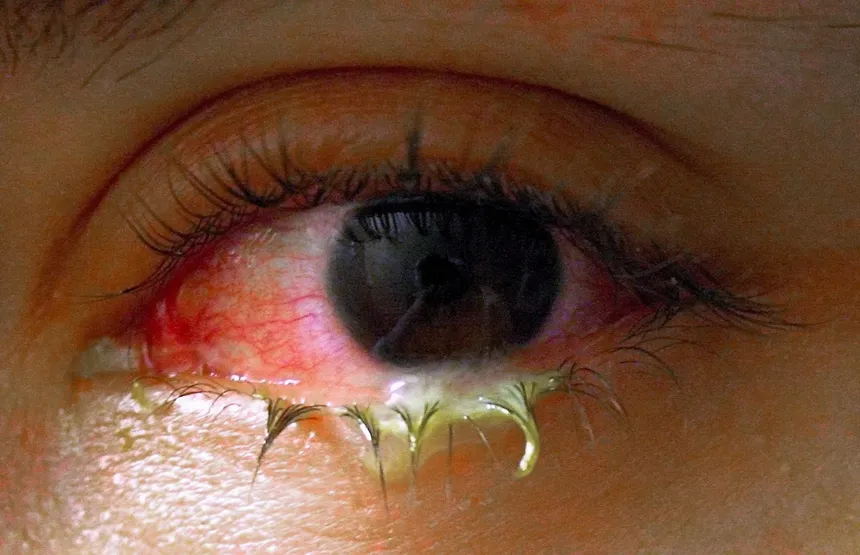
Dust and smoke can irritate the eyes, while firecracker-related accidents may cause serious injuries.
Avoid looking directly at fireworks or standing close to them.
If dust or a mild irritant enters the eye, rinse with clean water. Do not rub the eye.
For chemical exposure, injury, persistent pain or vision changes, seek urgent medical evaluation. Suspected eye injuries should not be treated with home remedies.
9. Pay attention to children’s and senior citizens’ health
Festive celebrations can be particularly tiring for young children and older family members.
Children may be exposed to loud noises, smoke, disrupted sleep and changes in eating routines.
Older adults with existing cardiovascular or respiratory conditions may require additional precautions.
For children:
- Maintain regular meal and sleep routines.
- Supervise them around diyas and electrical decorations.
- Keep them away from fireworks and smoke.
- Watch for persistent coughing or breathing difficulties.
For senior citizens:
- Keep prescribed medicines available.
- Avoid unnecessary exposure to smoke and dust.
- Maintain appropriate indoor temperatures.
- Encourage adequate rest and hydration, subject to medical advice.
- Do not ignore chest discomfort, unusual weakness or breathing difficulties.
10. Do not ignore recurring health symptoms
Festive activities can sometimes make people postpone medical consultations.
However, recurring symptoms such as persistent coughing, nasal congestion, wheezing, unexplained fatigue or repeated digestive discomfort should not be ignored.
It is important to understand the possible cause rather than repeatedly relying on self-medication.
A healthcare professional may recommend a clinical assessment, investigations or referral to an appropriate specialist depending on the symptoms.
Homeopathic consultation should not replace evidence-based medical evaluation or necessary treatment for acute or serious conditions.
Seek urgent medical attention for severe breathlessness, chest pain, fainting, serious burns, eye injuries or other emergency symptoms.
A simple Healthy Diwali checklist
Before the celebrations begin, use this quick checklist:
- Take precautions while cleaning dusty spaces.
- Keep festive food portions balanced.
- Drink water regularly.
- Avoid unnecessary smoke exposure.
- Keep children away from firecrackers.
- Maintain adequate sleep.
- Protect your eyes and ears.
- Keep prescribed medicines accessible.
- Check local air-quality advisories.
- Do not ignore concerning health symptoms.
Frequently Asked Questions
1. How can I protect my family from Diwali air pollution?
Reduce exposure to firecracker smoke, check local AQI, avoid strenuous outdoor activity during poor air quality and follow official public-health advisories. Keep indoor environments free from unnecessary smoke.
2. Can Diwali cleaning trigger allergies?
Yes. Dust accumulated in cupboards, carpets, curtains and other household spaces may trigger symptoms in people sensitive to dust or dust mites. Damp cleaning, suitable masks and appropriate ventilation can help reduce exposure.
3. Should people with diabetes avoid all Diwali sweets?
Not necessarily. Dietary choices should be based on individual glucose control and medical advice. Portion awareness and following the prescribed diabetes-management plan are important.
4. What should I do if someone develops breathing difficulty after exposure to smoke?
Move away from the exposure to cleaner air and seek appropriate medical attention. Severe or rapidly worsening breathing difficulty requires emergency care. People with asthma should follow their prescribed action plans.
5. When should I consult a doctor during the festive season?
Consult a healthcare professional for persistent or recurring symptoms, worsening cough, wheezing, fever or unexplained fatigue. Seek emergency assistance for chest pain, severe breathlessness, serious burns or eye injuries.
Final Thoughts
Diwali is a time to celebrate togetherness, happiness and new beginnings.
Amid all the decorations, shopping and celebrations, remember that your family’s health deserves equal attention.
Small steps such as balanced eating, adequate rest, reducing smoke exposure and following firecracker safety precautions can make the festive season more comfortable.
Wishing every family in Gaur City, Greater Noida West and Ghaziabad a safe, joyful and healthy Diwali!
About Globule Clinics
Globule Clinics is located at FF-42, Galleria Market, Gaur City 2, Greater Noida West.
For consultation-related information, contact: +91 7428712811
Website: https://globuleclinics.in
Medical disclaimer: This article is intended for general health education and does not replace individual medical advice, diagnosis or treatment. Consult an appropriately qualified healthcare professional for personal medical concerns.






Please log in to comment.